

Patients in the UK are expressing frustration over long waiting times for medical treatment despite fulfilling all necessary steps. These individuals have dutifully contributed to the National Health Service (NHS) through taxes, consulted their general practitioners, and received referrals, only to face prolonged periods of discomfort and stress with no resolution in sight. This situation is deemed unacceptable, prompting a commitment to address this issue effectively.
Recognizing the pressing nature of the waiting times crisis even before the election, efforts have been focused on revitalizing the NHS following years of inadequate funding. Strategies centered around increased investment, modernization, and leveraging available resources in the private sector have yielded positive outcomes. Notably, a pledge to provide two million additional appointments has been surpassed with a total of five million appointments delivered, including half a million conducted through independent healthcare providers, all accessible without charge.
Offering patients the choice to receive treatment in private facilities has proven advantageous, allowing for faster treatment by up to ten weeks, essentially reclaiming valuable time for individuals. This approach is not merely practical but also aligns with principles of progressiveness, rejecting the notion that access to superior healthcare should hinge on financial means. The emphasis remains on ensuring equitable healthcare access for all, challenging opposing viewpoints that may compromise patient care and fairness.
The commitment to a unified healthcare system is paramount, aiming to eliminate the existence of a two-tier healthcare model where privilege dictates the timeliness and quality of care. The current administration is dedicated to dismantling such disparities while simultaneously bolstering the NHS’s capacity for sustained efficiency. Initiatives such as establishing Community Diagnostic Centers, extending operating hours, embracing technological advancements like robotic surgery, augmenting GP numbers, and enhancing patient communication channels have collectively contributed to reducing waiting lists by 200,000 post-election.
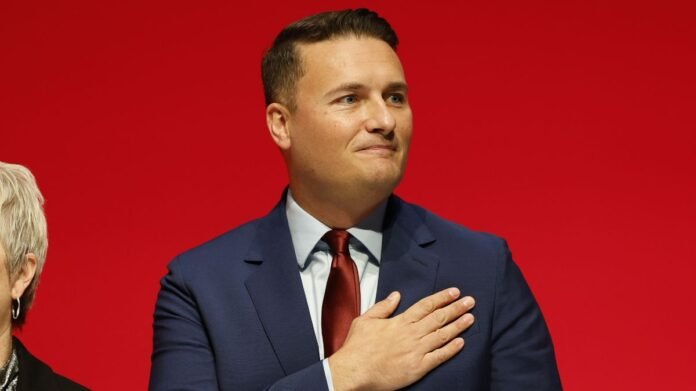
While progress has been made, there is an acknowledgment of the prolonged journey ahead to achieve optimal healthcare standards. Drawing from past successes, particularly in minimizing waiting times and enhancing patient satisfaction, there is a firm resolve to replicate these achievements under the current leadership. Health Secretary Wes Streeting underscores a commitment to continuous improvement and the restoration of a healthcare system that prioritizes patient welfare and inclusivity.