
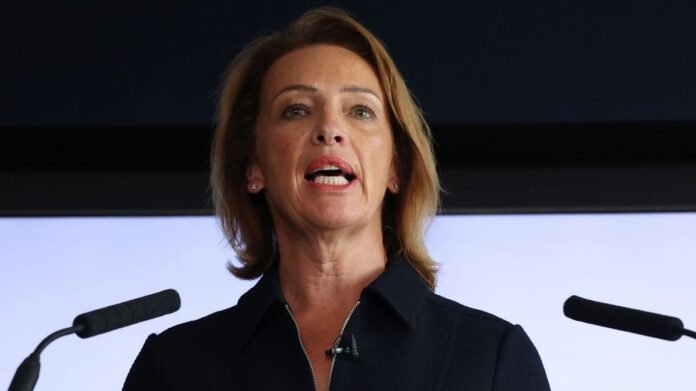

The controversy surrounding Sarah Pochin has sparked questions for various political figures. Sir Keir Starmer, Prime Minister, Health Secretary Wes Streeting, Chancellor Rachel Reeves, Boris Johnson, Theresa May, and others have faced scrutiny for their past remarks and actions related to racial issues.
From derogatory comments about ethnic minorities in advertisements to evoking racist sentiments similar to Enoch Powell’s infamous speech, these incidents have contributed to a toxic political climate. The media, including breakfast shows and big platforms, have been accused of amplifying xenophobic narratives and giving a platform to divisive figures like Nigel Farage.
The rise of extreme views within Reform and the Conservative Party, as well as the normalization of racist rhetoric in public discourse, have further fueled tensions. Instances of politicians making insensitive remarks about race, culture, and immigration have added to the growing concern over the state of inclusivity and diversity in the UK.
The incident involving Lucy Connolly, who made inflammatory remarks about asylum seekers, and the disturbing acts of violence during riots targeting minority communities highlight the urgent need to address systemic racism and discrimination. The UK’s political and media landscape has been marred by instances of intolerance and bigotry, underscoring the importance of promoting unity and understanding in society.
Sarah Pochin’s recent controversial statements have reignited discussions on racial sensitivity and the need to combat discrimination in all its forms. As debates on diversity and inclusivity continue, it is crucial for leaders and media outlets to uphold values of respect and equality to foster a more inclusive and tolerant society.