
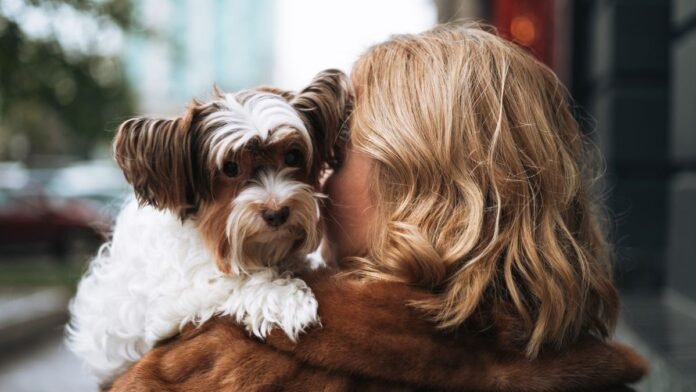

Dog owners are being advised to take a simple step to prevent a potentially painful issue during the winter season. This measure can help stop ice from forming in your pet’s fur as temperatures drop.
As the UK experiences colder weather, it’s important to remember that your furry companion may also be affected. The Royal Society for the Prevention of Cruelty to Animals (RSPCA) has shared guidance on keeping dogs safe in winter, noting that dogs can feel the cold and that it can impact their well-being and behavior.
One key recommendation from the RSPCA is to trim the fur around your dog’s paws and ears to prevent the formation of painful ice balls. The charity further suggests trimming the fur around the back legs and hindquarters of medium to long-haired dogs to avoid discomfort.
Different dog breeds and ages react differently to cold temperatures. While some breeds have natural insulation like a double coat, others with thin or short fur are more susceptible to the cold. Smaller dogs lose body heat faster than larger breeds, which are more insulated and retain warmth longer.
Puppies, elderly dogs, sick dogs, and those not accustomed to cold weather may struggle with the cold. It’s important to monitor your dog for any changes in behavior, such as increased or decreased activity levels, as these can indicate their comfort in the colder months.
If your dog displays unusual behaviors like reluctance to go for walks or changes in appetite, consulting a vet is recommended. Additionally, the RSPCA offers more tips on winter care for dogs on their website to ensure your pet stays healthy and comfortable during the colder months.