
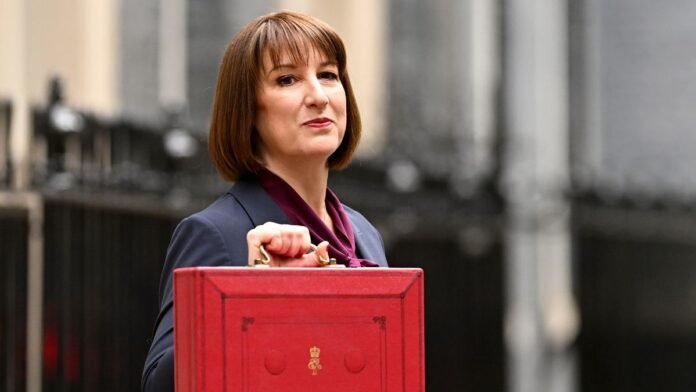

Chancellor Rachel Reeves is gearing up to present a critical Budget next week, aiming to address a significant deficit in public finances and adhere to stringent spending guidelines. Recent indications suggest a potential need for tax increases as part of the government’s efforts to manage the financial gap. Despite initial concerns, improved forecasts from the Office for Budget Responsibility have somewhat alleviated the situation, projecting a shortfall of approximately £20 billion rather than the previously feared £30-40 billion.
Speculation surrounds the upcoming Budget announcement scheduled for November 26, with a focus on potential measures to be introduced. In light of Labour’s election commitments to avoid raising VAT, national insurance, or income tax for working individuals, the government had contemplated breaking the pledge on income tax, envisioning the first increase in nearly five decades. However, recent developments have led to the abandonment of these plans following more favorable financial projections.
Among the proposals under consideration by Chancellor Reeves is the extension of the freeze on income tax thresholds for an additional two years, originally set to expire in 2028. This move, often criticized as a stealth tax, would result in more taxpayers being pushed into higher tax brackets as their earnings rise. Additionally, the Budget typically includes adjustments to the minimum wage, with a potential increase to around £12.70 per hour from April 2026, representing a rise of approximately 4%.
In addressing concerns over the cost of living, Labour leader Keir Starmer has emphasized the need to alleviate financial pressures facing struggling individuals. Measures to reduce household energy bills, such as eliminating VAT on energy bills, are being explored, with estimated savings of about £80 annually per consumer. Efforts to end the two-child benefit limit, a contentious austerity-era policy restricting child tax credits, are also being considered to combat child poverty.
Furthermore, the Treasury is evaluating potential increases in gambling taxes as a means to generate revenue for social welfare initiatives. The Chancellor is expected to confirm the upcoming rise in state pension rates, with projections indicating a 4.8% increase in line with the triple lock guarantee. Additionally, discussions are underway regarding the introduction of a cap on annual pension savings through salary sacrifice schemes, which could impact retirement savings for individuals.
In exploring ways to boost government revenue, proposals include implementing new taxes on high-value properties and potential adjustments to tobacco and alcohol duties. The possibility of introducing tourist taxes to fund public services has been raised, although current government statements suggest no immediate plans for such measures. The Budget announcement may also shed light on fuel duty adjustments, with considerations for levies on electric vehicles in the future.
As the Budget date approaches, stakeholders await Chancellor Reeves’ unveiling of fiscal policies that will shape the economic landscape in the coming year.