

Bad weather conditions in the UK lead to 1,292 injuries and four fatalities annually on roads, emphasizing the importance of winter-proofing your vehicle. Failing to do so can result in costly fines and penalties. Limited visibility alone can result in fines up to £1,000, while inadequate tyre conditions may lead to fines of £2,500 per tyre, totaling up to £11,000, along with penalty points and potential license suspension.
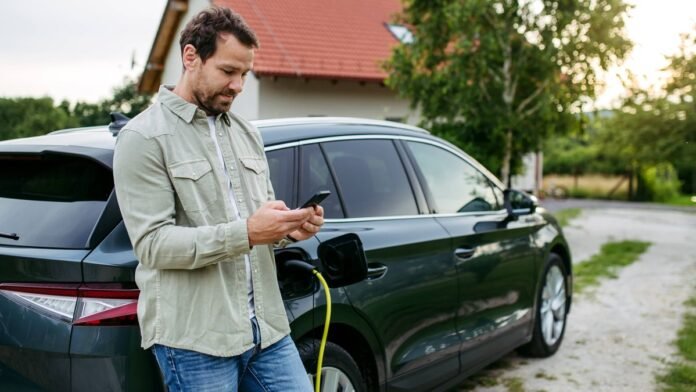
To ensure safety and avoid penalties during the winter season, it is crucial for electric car owners to follow expert advice. Kia, a renowned carmaker, has provided essential tips for preparing your vehicle for the colder months. Before starting your journey, it is recommended to warm up your car while still plugged in through a process called preconditioning, ensuring efficient battery performance and a warm cabin from the beginning.
Many electric cars offer features for defrosting windshields, allowing drivers to begin their trips with clear visibility. Utilizing this feature while connected to a charger helps conserve energy, preventing battery drainage while driving. Maintaining clear windows is vital to avoid hazards and comply with UK Highway Code regulations regarding visibility.
Failure to ensure a clear view of the road may lead to fines, penalty points, or even driving license suspension. Operating heating and defrosting systems in your car is essential for keeping windows clear and adhering to legal requirements. Cold weather conditions can cause tire pressures to drop, reducing grip and increasing stopping distances. Regularly checking and inflating tires to the manufacturer’s recommended levels is advised to ensure safety and efficiency, especially for electric vehicles (EVs).
UK law mandates a minimum tire tread depth of 1.6mm, and driving with tires below this limit can result in fines of up to £2,500 per tire and three penalty points per tire. Having four tires below the legal tread depth could lead to penalties amounting to £10,000 and a potential driving ban. Adequate tire tread is essential for maintaining grip on wet or icy roads.
During colder temperatures, battery performance and range may decrease. Planning charging stops strategically and keeping the battery above 20% for consistent efficiency is recommended. Using rapid chargers for long journeys and charging the car overnight at home can help ensure a full battery at the start of each trip.
Driving smoothly by avoiding sudden acceleration and braking can save energy and reduce the risk of losing traction on slippery roads. Anticipating traffic conditions and maintaining a steady speed can enhance safety and efficiency. It is advisable to carry a seasonal kit in your car during winter, including essentials like an ice scraper, de-icer, blanket, warm coat, phone charger, and charging cables, in case of delays or emergencies.
For further expert advice on maintaining the safety and efficiency of your electric car during winter, refer to Kia’s official winter driving guide.