
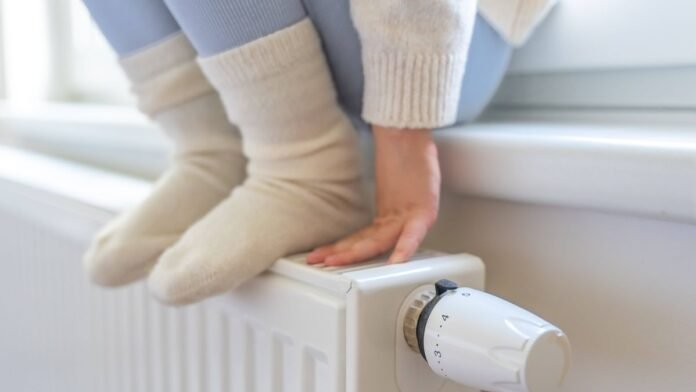

Experiencing cold hands and feet is a common issue that affects many individuals, especially during winter. A pharmacist explains the reasons behind this phenomenon and offers tips on prevention.
The Met Office has issued an ‘danger to life’ amber alert as Britain braces for heavy rain, floods, and strong winds, leading to a significant drop in temperatures. Feeling cold in extremities like hands and feet is typical in colder weather. However, persistent coldness in these areas may indicate underlying health issues.
Dr. Chris, also known as ‘DrChrisPharmD’ online, regularly shares health advice on social media. In a video, he discusses the reasons behind cold hands and feet, linking it to poor circulation due to low iron levels impacting body temperature regulation.
Iron plays a crucial role in maintaining body temperature by aiding oxygen transport through the blood. Dr. Chris suggests increasing iron intake through foods like liver, which contains easily absorbable Heme iron that promotes blood flow. Alternatively, taking an iron supplement may help if incorporating liver into your diet is challenging.
Apart from circulation issues, cold hands and feet could signal more serious health conditions like heart problems, high or low blood pressure, peripheral artery disease, or side effects of certain medications.
Other non-cardiovascular conditions such as thyroid disorders, diabetes, anemia, anxiety, or stress can also contribute to cold extremities. Raynaud’s disease is a common condition that causes fingers, toes, and ears to turn white or blue and become numb in cold conditions.
If you experience persistently cold hands and feet, along with other symptoms like skin discoloration, tingling, numbness, or pain, seek medical advice promptly. Consult your GP if you notice any unusual symptoms related to cold extremities for proper evaluation and treatment.