

Transgender women will be prohibited from participating in women’s events at the Olympic Games. This decision by the International Olympic Committee (IOC) comes after a scientific review highlighted the inherent physical advantages of individuals born male.
A report from The Times indicates that the IOC is expected to unveil its revised policy early next year. Previously, the IOC allowed transgender women to compete with reduced testosterone levels, delegating final decisions to individual sports federations.
Under the leadership of new president Kirsty Coventry, the IOC is shifting its stance to safeguard the integrity of female competition. Dr. Jane Thornton, the committee’s medical and scientific director and a former Olympic rower from Canada, presented compelling evidence at a recent meeting in Lausanne, Switzerland. She emphasized that physical advantages linked to male birth persisted even after testosterone level adjustments.
Sources revealed that the presentation was factual and well-received by IOC members. The IOC’s current guideline on Olympics.com emphasizes non-discrimination based on gender identity and sex characteristics for qualified athletes.
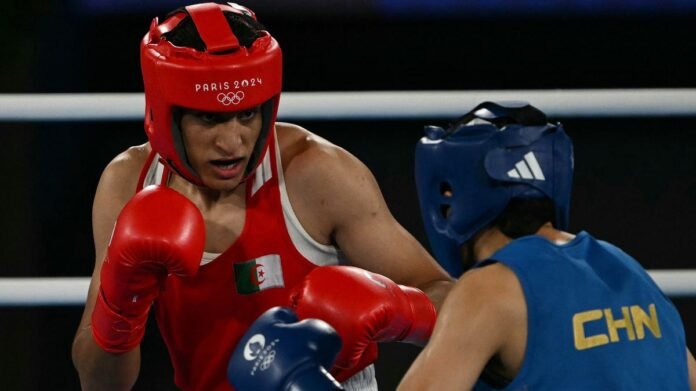
Controversy arose during the boxing tournament at the Paris Olympics when two boxers, Imane Khelif from Algeria and Lin Yu-Ting from Taiwan, both clinched gold medals despite being disqualified from the previous year’s World Championships for allegedly failing gender eligibility requirements. The World Boxing Federation, recognized by the IOC post-Paris, now mandates sex testing, prohibiting Khelif from competing in the female category until compliance.
The IOC is anticipated to announce its updated policy in early 2026, possibly during the Winter Olympics session in February. Coventry, a former Olympic swimmer from Zimbabwe, stressed the importance of protecting female sports while collaborating with stakeholders and international federations.
Sky has reduced the price of its Essential TV and Sky Sports bundle ahead of the 2025/26 season, offering savings of £192 and showcasing over 1,400 live matches across various leagues. The upcoming season will feature at least 215 live Premier League games, an increase of up to 100 matches from the previous season.