

As the cold weather approaches and December draws near, it’s essential to familiarize yourself with how your heating system functions during these chilly months.
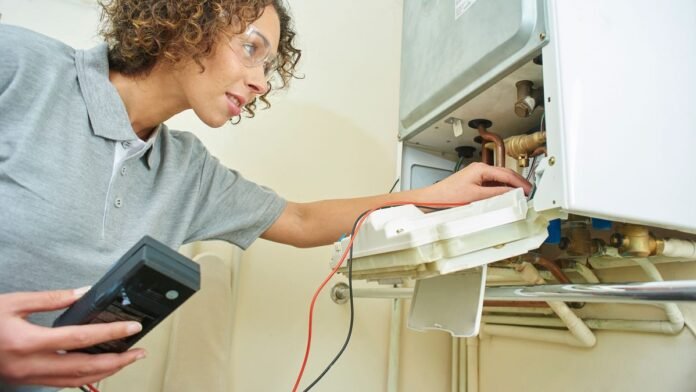
If you encounter issues with your boiler and are concerned about costly repairs, there are simple troubleshooting steps you can take before calling in a professional. Understanding your heating system and having the right insurance coverage for home emergencies can also save you from unnecessary expenses.
Many individuals struggle to operate their thermostats effectively, with surveys revealing that this device remains a mystery to a significant portion of households. While some have taken steps to learn more about their heating systems, such as investing in smart thermostats or consulting their boiler manuals, for many, the intricacies of heating systems remain a challenge.
One common issue that leads to costly emergency callouts is thermostat malfunctions that often require a simple fix, such as replacing batteries. Understanding the signals and codes displayed on your thermostat can prevent unnecessary service calls. Smart thermostats, although convenient, can also encounter operational glitches that can usually be resolved by following manufacturer guidelines.
If your boiler continues to malfunction, conducting basic checks like adjusting the settings, using the boost feature, and ensuring proper pressure levels can sometimes resolve the issue. Accessing online guides or instructional videos can be helpful if you encounter challenges with your boiler or thermostat.
Regular maintenance tasks like bleeding radiators can enhance heating efficiency and prevent issues with uneven heating. Understanding your insurance policy coverage for boiler breakdowns and home emergencies is crucial to avoid unexpected expenses. It’s important to review the terms, callout fees, and coverage limits before committing to a policy.
When considering a boiler or home emergency policy, be wary of hidden costs, callout fees, and coverage limitations. Different types of contracts offer varying levels of protection, so it’s essential to understand the terms and conditions before making a decision. Additionally, ensuring your boiler is in good working condition before the winter season can help prevent potential damages and costly repairs.
By staying informed about your heating system, conducting routine maintenance, and being aware of your insurance coverage, you can ensure a warm and comfortable home throughout the winter months.