
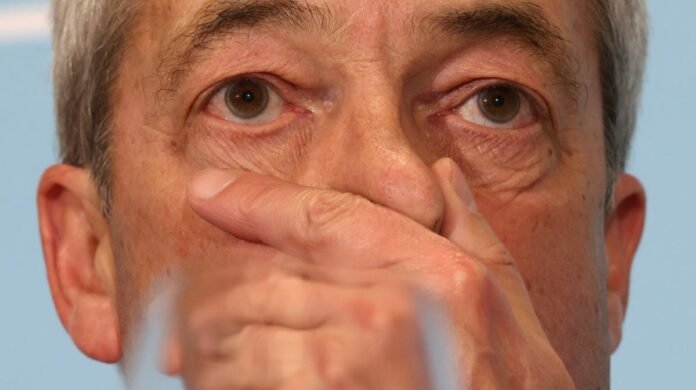

Amid the recent Budget announcement by the government, attention has also been drawn to serious allegations involving Nigel Farage.
Several former classmates of Farage have come forward accusing him of repeatedly making derogatory and racist remarks, including antisemitic comments during his time at Dulwich College. The reported nature of these remarks has caused significant concern.
In response to these accusations, Farage, the leader of Reform, astonishingly downplayed the seriousness of the allegations, dismissing them as mere “playground banter” when questioned by journalists. Such nonchalant dismissal from a political figure is both distressing and concerning.
Having formerly chaired the Jewish Labour Movement before entering Parliament, I was involved in supporting Keir Starmer’s efforts to combat antisemitism within the Labour Party and to restore its electability.
The ongoing battle against antisemitism and various forms of racism poses a significant societal challenge that requires continuous attention and action. The rise of such hate crimes underscores the need for vigilance and proactive measures within our communities.
While no single entity can be solely blamed for this trend, the influence of public figures like Farage, who have a history of promoting conspiracy theories and discriminatory rhetoric, cannot be overlooked. Their words carry weight and can fuel dangerous ideologies.
Personal experiences of hurtful remarks similar to those attributed to Farage are not uncommon among individuals, causing fear and anxiety within affected communities. The impact of irresponsible language from prominent figures, especially in the aftermath of tragic events like the Manchester synagogue attack, cannot be underestimated.
Following the Budget release, Keir Starmer made a notable visit to a synagogue to engage with individuals who have faced antisemitism, demonstrating a commitment to understanding and addressing the real-world implications of hate speech. The divisive nature of recent conflicts, such as the Gaza situation, has further exacerbated tensions and animosities.
Farage’s Reform party capitalizes on division and discord, perpetuating the very sentiments that contribute to feelings of alienation and injustice among affected groups. Given Farage’s track record of aligning with divisive narratives and targeting minority communities, vigilance against such harmful influences is crucial.
In a bid to hold Farage accountable for his actions, Prime Minister Boris Johnson has challenged him to engage directly with affected communities in synagogues, mosques, and other communal spaces to witness the repercussions of his rhetoric. The sincerity of such a challenge remains in question, considering Farage’s history of using division as a strategic tool.
Amidst the flurry of Budget-related news, it was revealed that over £1.5 billion has been allocated to support youth employment and educational opportunities, addressing the concerning number of young individuals currently outside the workforce, education, or training.
The introduction of the ‘Youth Guarantee’ initiative, offering paid work placements to eligible young adults on Universal Credit, and the provision of free apprenticeship training for under-25s at small and medium enterprises, signifies a positive step towards empowering and nurturing the potential