

In a groundbreaking move, British authorities have initiated a significant crackdown on police corruption, mirroring the tactics employed to bring down notorious gangster Al Capone. Over 1,400 officers and staff members have been targeted in this extensive operation.
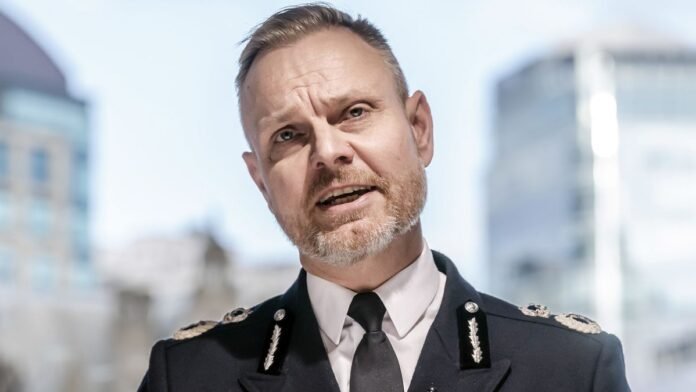
Deputy Commissioner Matt Jukes of the Metropolitan Police highlighted the utilization of strategies reminiscent of those used against Al Capone by Chicago law enforcement. Drawing parallels, he emphasized the comprehensive approach being taken to address organized crime and misconduct within the police force.
The focus is on various factors such as sick leave patterns, grievances, and monitoring of officers’ activities, including their use of resources. Jukes pointed out that excessive overtime could be an indicator of underlying issues, cautioning against self-serving motivations. Identifying anomalies in overtime earnings relative to performance is a key aspect of the investigative process.
The recent suspension of nine officers from the scandal-ridden Charing Cross police station in London due to allegations of misconduct underscores the urgency of the ongoing purge. Triggered by the tragic murder of Sarah Everard by a serving officer, Wayne Couzens, this operation marks the largest disciplinary action in the history of the Metropolitan Police.
The Directorate of Professional Standards is spearheading investigations into police misconduct, drawing comparisons to the popular TV series “Line of Duty.” Met Commissioner Sir Mark Rowley has acknowledged the presence of entrenched networks resistant to reform within the force, indicating the scale of the cleanup surpasses past efforts to tackle corruption.
As part of the ongoing probe, the entire custody team at Charing Cross police station is being disbanded. Additionally, arrests and charges have been made in connection with mishandling a sexual assault case, further highlighting the deep-seated issues being addressed within the force.
Efforts to revamp the organizational culture within the Met, following critical assessments post-Everard’s murder, are underway. Structural changes aimed at preventing the formation of power networks and enhancing accountability have been implemented to ensure a more transparent and ethical police environment.