
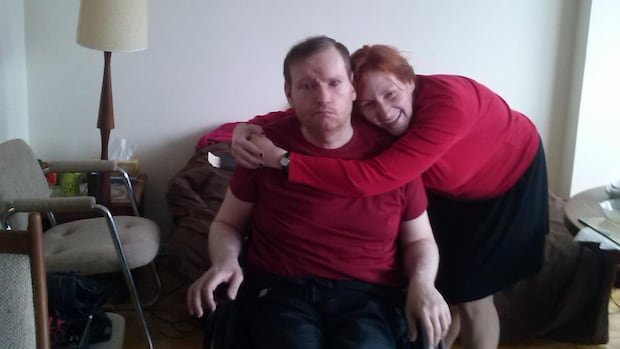

Simone Abrahamsohn, residing in Toronto, faced a significant life change this summer when she lost her mother and took on the role of primary caregiver for her older brother. Balancing this responsibility with ensuring a harmonious living arrangement for both siblings, who are in their middle age and neurodivergent, presents its challenges.
Abrahamsohn’s brother, Stuart, who is autistic and a survivor of a left-brain stem stroke, requires specialized care due to his physical and emotional needs. These include assistance with feeding, transfers between a wheelchair and commode, grooming, bathing, and emotional support, as well as managing triggers like loud noises.
Reflecting on their childhood, Abrahamsohn recalls feeling embarrassed by Stuart’s autistic behaviors, such as stimming and introversion, which were often misunderstood by others. Despite their differences, Abrahamsohn acknowledges her own struggles with ADHD and the need to mask her tendencies to fit in socially.
As roommates, Abrahamsohn and Stuart have learned to accommodate each other’s needs and differences. Abrahamsohn strives to create a supportive environment for Stuart, allowing him agency in decision-making and fostering open communication. While adjusting to their new living dynamic, Abrahamsohn has made sacrifices, such as giving up extracurricular activities, to prioritize their relationship and well-being.
Through this experience, Abrahamsohn seeks to make amends for not advocating for Stuart in the past and is committed to providing him with the care and understanding he deserves. Embracing this second chance to strengthen their bond, Abrahamsohn is dedicated to creating a nurturing and inclusive home for her and her brother.
This personal journey highlights the complexities and rewards of caring for neurodivergent family members and the importance of empathy, communication, and acceptance in fostering meaningful relationships.