

Deb Perelman, the founder of the renowned food blog Smitten Kitchen, is marking the 20th anniversary of her website. She has always prioritized meeting her audience where they are, utilizing various social media platforms like Twitter, Instagram, and TikTok to engage with her followers. However, she now faces a new dilemma with AI-generated summaries encroaching on her website traffic.
Expressing her astonishment, Perelman highlighted instances where AI-generated snippets of her recipes appeared at the top of search results without her consent. She is now actively seeking measures to protect her content from AI exploitation.
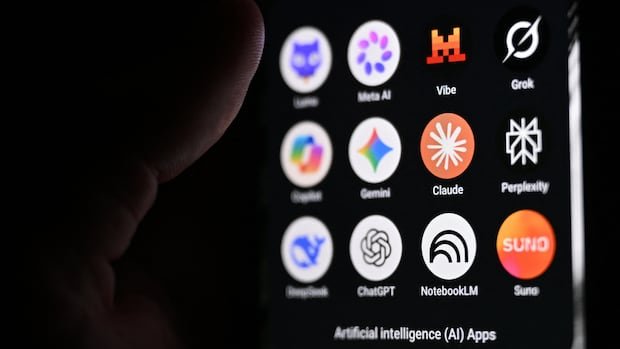
Google recently introduced “AI Mode,” a feature that offers conversational search interactions akin to AI chatbots, attracting over a billion users monthly. This shift towards AI summaries over direct website links means users can access information without leaving the search engine page.
This trend poses challenges for creators who rely on organic human traffic, as the internet landscape increasingly caters to bots that extract data from websites. The decline in human web traffic has been noted across various sectors, prompting a shift towards optimizing content for AI-generated responses.
As the focus shifts from keyword-based searches to conversational AI interactions, website owners must adapt their content to align with AI algorithms. This includes providing detailed information to enhance credibility and cater to AI-driven queries.
While some content creators leverage social media for monetization, websites heavily depend on ad revenue or subscriptions. The rise of AI bots as primary visitors raises concerns about the sustainability of original content creation.
Efforts to address the impact of AI on web traffic are underway, with some media companies contemplating changes in their relationship with search engines like Google. Despite these challenges, there is optimism for a model that preserves diverse voices and upholds the essence of individual perspectives in content creation.