
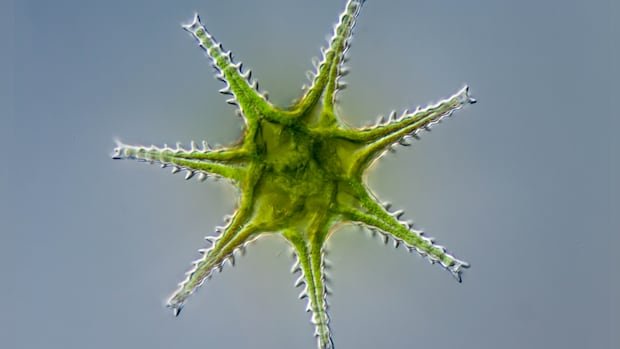

A rejuvenated forest can present a tall, green appearance, yet certain smaller organisms like mosses, lichens, algae, and fungi may still be absent. Research indicates that while restoring habitats like forests and wetlands can aid in the recovery of declining animal and plant species, the return of all inhabitants does not occur simultaneously. Some of the tiniest species may remain scarce or missing for extended periods, potentially impacting other organisms.
University of Alberta botanist Ellen Macdonald has dedicated her career to studying forests, focusing on the diverse array of small flora such as flowers, mosses, liverworts, and lichens that thrive in these ecosystems. She emphasized the vast number of species that inhabit forests beyond just trees.
Macdonald’s global research, combined with her personal studies, delved into the regrowth dynamics of boreal forests post-clearcutting. The findings, recently published in Nature Sustainability, reveal that the recovery of birch and aspen forests typically occurs within 25 years, while conifer forests exhibit a significantly longer regeneration period. In conifer forests, understory plants like lichens, mosses, and liverworts may take over 85 years to reestablish, with some species failing to recover even after a century.
This pattern of delayed recovery is not limited to boreal forests but also observed in wetlands and other restored habitats, where some less visible species may remain absent despite the overall ecosystem appearing healthy. The decline of these species, termed “dark diversity” by researchers, signifies a silent loss that can impact the ecological balance.
Algae, although not classified as plants, play a crucial role in global photosynthesis. The decline in species diversity can have cascading effects, negatively influencing various ecosystems. Understanding these recovery patterns can guide landscape management strategies to preserve biodiversity effectively, suggesting more selective harvesting methods for conifer forests.
The preservation of algae habitats is essential, as these organisms contribute significantly to oxygen production and food availability on Earth. Efforts led by scientists like Michael Melkonian aim to safeguard diverse algae species through collections and cultivation, creating a repository of living organisms for future conservation.
Addressing the ongoing loss of species requires proactive conservation measures, emphasizing the importance of maintaining and restoring habitats across landscapes to ensure species persistence. The continuous process of species loss necessitates active interventions to safeguard biodiversity and prevent further ecological imbalances.