
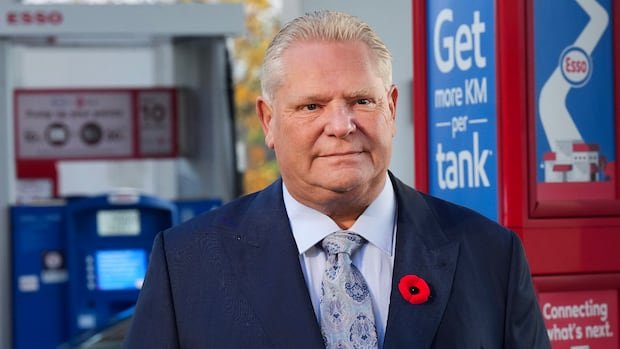

Ontario Premier Doug Ford has reached out to Prime Minister Mark Carney, urging him to prolong the federal gas excise tax break until the year’s end. Ford emphasized the inopportune timing of considering the return of the federal fuel excise tax amidst rising concerns about financial burdens on Canadians, including housing, grocery costs, and daily household expenses.
Earlier in April, Carney had temporarily lifted the 10-cent federal excise tax on gasoline and four cents per liter on diesel until September 7, aligning with Labour Day. This move, estimated to cost around $2.4 billion, aimed to alleviate short-term economic pressures resulting from the surge in global oil prices due to escalating tensions between the U.S. and Iran.
In 2022, the Ford administration initiated its temporary fuel tax relief, reducing taxes on a liter of gas by 5.7 cents and on diesel by 5.3 cents. This adjustment harmonized the provincial tax rates on gas and diesel to nine cents per liter, translating into an annual savings of approximately $115 per household, as outlined in the 2026 provincial budget.
Ford proposed in his letter to Carney that extending the federal fuel tax holiday until January 1 would allow the federal government to match Ontario’s efforts in making the suspension permanent, aligning with the province’s cost-reduction strategies.
The Federal Conservatives, since Carney’s initial announcement of the excise tax holiday on fuel, have been advocating for extending this relief until the year’s end. Ford’s letter signifies a rare instance of collaboration between the Progressive Conservative premier and Conservative Opposition Leader Pierre Poilievre, bridging their historical differences within the conservative movement in Canada.
Contrary to Ford’s appeal, Poilievre is pushing for the removal of GST from gas and diesel until December 31, alongside the permanent elimination of clean fuel regulations, underlining the potential impacts of excessive taxation on consumer goods and services. The Finance Minister’s spokesperson, François-Philippe Champagne, emphasized the Liberal government’s commitment to enhancing affordability without confirming plans to extend the excise tax holiday, focusing on fostering economic growth, reducing costs, and addressing the global economic challenges faced by Canada and the world.
The government’s approach aims to collaborate with provinces to advance competitiveness, lower expenses, and mitigate economic pressures in the existing challenging global economic landscape, as articulated by John Fragos, a representative for the Finance Minister.