
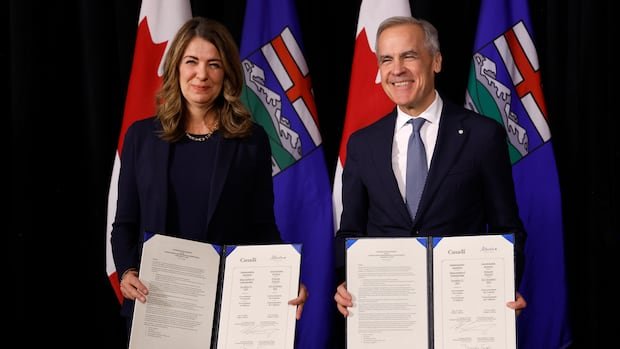

A coalition representing multiple First Nations in British Columbia is urging both the federal government and the government of Alberta to stop moving forward with the West Coast pipeline project. The group argues that expanding the oil industry will worsen climate change and environmental disasters.
In a letter addressed to Prime Minister Mark Carney and Alberta Premier Danielle Smith, the Union of British Columbia Indian Chiefs emphasized the wide-reaching impacts of increasing fossil fuel production, citing events like wildfires, floods, and rising sea levels already affecting communities across the country. The letter coincided with a state of emergency declaration by the B.C. government due to over 100 wildfires burning in the province, leading to the evacuation of nearly 25,000 residents.
Releasing the letter on the International Day of the World’s Indigenous Peoples, the Indigenous group reiterated its opposition to the pipeline, citing lack of meaningful consultation with First Nations. They criticized the government for already progressing with the project without authentic engagement with Indigenous communities.
Responding to criticisms, Karah Folk, a spokesperson for Alberta’s Ministry of Indigenous Relations, defended the project, highlighting the long-term benefits it could bring to Indigenous groups and committing to ongoing dialogue throughout the project’s development.
The proposed 1,250-kilometre West Coast pipeline aims to transport up to one million barrels of crude oil daily from Alberta to a port near Delta, British Columbia, for export to global markets. The project, backed by the Alberta government and owned by Trans Mountain, the Alberta Petroleum Marketing Commission, and Pembina Pipeline Corp, has been met with controversy and opposition from environmental groups and Indigenous communities.
Recent developments have seen Ottawa considering designating the project as being of national interest, potentially allowing expedited approval processes. The government is soliciting public feedback on the matter until mid-September. Additionally, the pipeline’s advancement is tied to a carbon capture project called Pathways, which aims to mitigate emissions from increased oil production by storing carbon underground.
Despite government assertions that the West Coast pipeline and other major projects are vital for national interests, economic growth, Indigenous involvement, and climate change objectives, critics argue that the environmental risks and impacts outweigh the perceived benefits. The debate around the West Coast pipeline underscores the ongoing tension between economic development and environmental conservation in Canada.