

Canada and the United States are still apart in their negotiations for a tariff deal as talks progress toward the latest deadline set by U.S. President Donald Trump, according to insider sources. The federal government officials indicate that a tariff agreement is not on the horizon due to significant disagreements between the two parties, with unresolved issues keeping them at a distance.
Trade Minister Dominic LeBlanc updated his provincial and territorial counterparts on the negotiation status, with a separate briefing held for members of the prime minister’s advisory committee on Canada-U.S. economic relations. Although the details of the briefings are known to the sources, they are not authorized to speak publicly.
Following Trump’s threat to impose a 50 percent tariff on numerous Canadian goods from August 19, Canada and the U.S. have intensified their trade discussions. Optimism on the Canadian side is diminishing as one source involved in the talks revealed that the American side is not willing to shift from their latest proposal, which includes reducing sectoral tariffs on autos to 12.5 percent – an offer deemed inadequate by Canada.
Quebec’s Economy Minister, Bernard Drainville, who received a briefing from LeBlanc, stated that a significant gap still exists between the two nations, indicating that an agreement is far from being reached. Erin O’Toole, a former Conservative leader and committee member, echoed the sentiment, emphasizing the considerable distance separating the two countries.
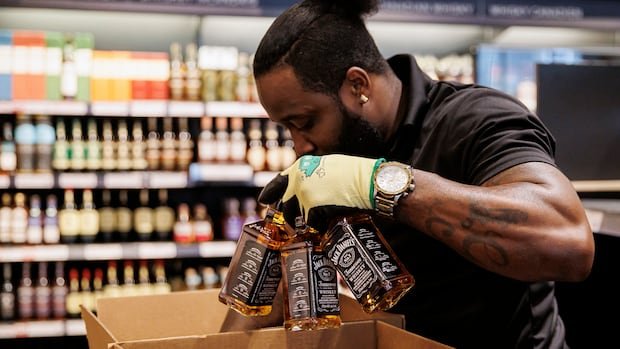
The federal government has advised the provinces to prepare to reintroduce American alcohol to store shelves if a tariff deal is struck. Additionally, they have requested that provinces and territories be ready to eliminate procurement rules favoring Canadian suppliers in the event of an agreement.
Trump’s grievances about provincial alcohol bans, dairy import quotas, and auto tariffs led to his threat of new tariffs. The ongoing deal under consideration would see the U.S. refrain from imposing new levies while reducing existing sectoral tariffs on Canadian steel, aluminum, autos, and forest products. In exchange, Canada may need to make concessions on the areas of concern mentioned in Trump’s ultimatum.
Quebec Premier Christine Fréchette emphasized the importance of maintaining the supply management system that safeguards Canadian dairy, a critical point of contention in U.S.-Canada trade relations. Talks are described as challenging, with negotiators urged to stand firm in their positions.
Trump’s trade representative, Jamieson Greer, described the talks as “constructive” and emphasized the U.S.’s push to eliminate retaliatory measures like the alcohol bans. The negotiation process remains critical, with both parties aiming for a mutually beneficial outcome.
The booze bans, initially imposed by Canada in response to Trump’s tariff threats, have severely impacted U.S. alcohol exports to Canada. The bans have resulted in significant losses for American spirit-makers and a substantial decline in wine sales in Canada.
Ontario Premier Doug Ford expressed willingness to reintroduce U.S. alcohol to the province’s shelves if a fair deal is reached, highlighting the importance of protecting Ontario’s key sectors. Ford underscored that tariffs on Canada are ultimately detrimental to the American people, emphasizing the need for fair trade practices.
Despite the potential reintroduction of American alcohol, some Canadians have indicated their reluctance to purchase these products. The future outcome of the negotiations remains uncertain as both sides continue to engage in discussions.