
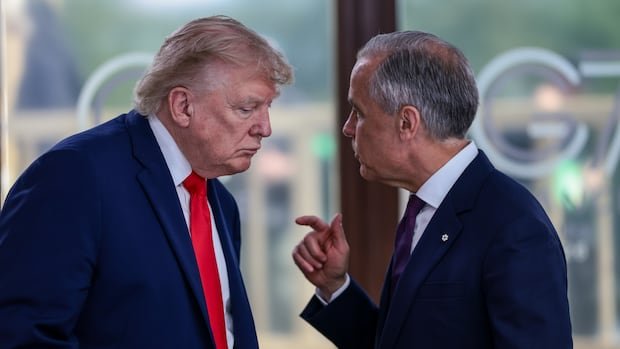

Canada is actively engaging in discussions with the United States to secure a trade agreement that can prevent the implementation of President Donald Trump’s impending tariffs while also seeking relief from existing tariffs in vital industries. Despite multiple meetings between Canadian and American negotiators in recent weeks, the two nations find themselves at a stalemate as negotiations near their conclusion.
Reports from CBC News indicate that Canadian negotiators are concerned about the potential inability to prevent the 50 percent tariffs on numerous Canadian goods as Washington remains firm on its demands. Concurrently, Ottawa is striving to convince provinces to lift restrictions on American alcohol to gain concessions from the U.S.
In the automotive sector, sources reveal that the U.S. is suggesting a reduction in current auto tariffs from 25 percent to 15 percent overall, potentially further lowering the tariff on Canadian-made vehicles to 7.5 percent with increased U.S. content. However, Canadian officials consider this offer insufficient given the ongoing auto trade disputes cited as reasons for the impending tariffs.
Regarding dairy, Trump has been critical of Canada’s supply management system, particularly the strict tariffs on U.S. dairy products compared to those from the European Union. Negotiations suggest that Canada may need to compromise on dairy concessions in the trade deal, despite potential political repercussions.
In the alcohol industry, provinces are urged to prepare for the reintroduction of U.S. alcohol if a tariff agreement is reached, with some provinces already resuming sales. However, differing provincial stances on the matter pose a challenge in avoiding the tariff threat.
Canada is also pushing for a reduction in existing U.S. tariffs on steel, aluminum, and copper and seeking relief from tariffs on softwood lumber. The U.S. aims to secure preferential access to Canadian critical minerals, energy, and security interests as part of the deal.
As negotiations intensify with only a few days remaining, both countries face critical decisions on various sectors that could impact future trade relations significantly.