
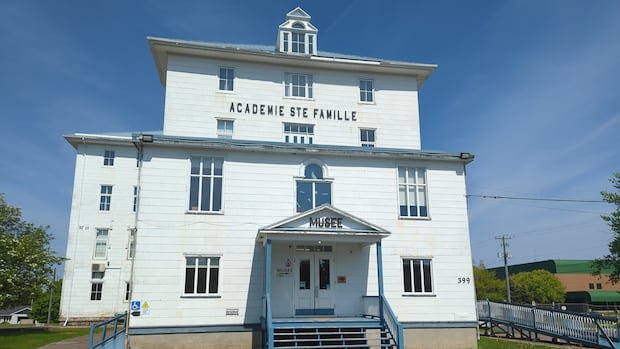

New Brunswick boasts over 100 museums and heritage sites, with Tracadie being home to the Musée Historique de Tracadie, which pays tribute to the Religieuses Hospitalières de Saint-Joseph, a former order of nuns that played a vital role in the community.
The nuns were involved in caring for the sick, managing an orphanage, and educating children in Tracadie. Initially, their focus was on operating a lazaretto, a hospital for lepers. Leprosy, a bacterial infection affecting various body parts, was first discovered in Tracadie in 1828, believed to have been introduced by immigrants from Norway.
The first lazaretto in Tracadie was constructed in 1849, gradually evolving to provide improved care for lepers from across Canada. However, the presence of the lazaretto negatively impacted the town’s reputation, causing distress among locals.
In 1943, a breakthrough in leprosy treatment with the drug promin marked the end of the lazaretto era, leading to its closure in 1965. Despite its focus on leprosy patients, the lazaretto also offered general healthcare services to the community, including operating as the first French-speaking hospital in New Brunswick in 1896.
The museum showcases historical artifacts from the general hospital, including old medical equipment like metal syringes and an incubator. Visitors, particularly medical and nursing students, are often amazed by the tools used by their predecessors.
Apart from healthcare, the nuns also addressed the lack of education in Tracadie by establishing day and boarding schools. The boarding school attracted students from various regions seeking a quality education, encompassing a wide range of subjects beyond traditional academics.
Although the Religieuses Hospitalières de Saint-Joseph order continues its work in different locations, including Montreal, it officially departed from Tracadie in 2025, leaving behind a rich legacy of healthcare and education in the community.