
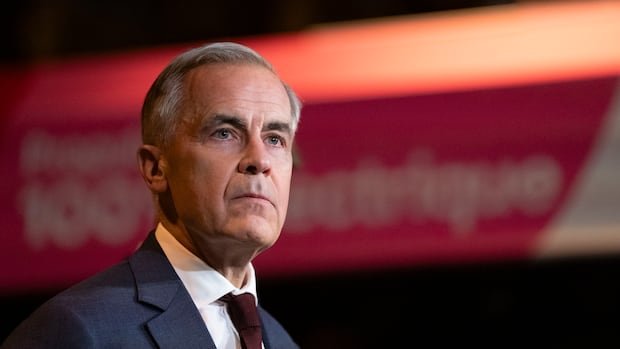

The latest set of tariffs imposed by the Trump administration on Canadian goods worth billions of dollars came into effect shortly after midnight on Saturday following the failure of the two countries to reach a mutually acceptable trade agreement. Prime Minister Mark Carney vowed to retaliate in kind after the White House enforced hefty 50 percent tariffs on a wide array of products. While trade representatives from both nations had made progress towards finalizing a deal in recent days, Ottawa ultimately rejected the terms on the table.
In response, Prime Minister Carney announced the suspension of trade negotiations with the U.S. and instructed Canadian negotiators to return to Ottawa. He expressed disappointment over what he deemed as unfair and economically unsound last-minute changes in the proposed terms by the U.S., which raised doubts about the reliability of any potential deal. U.S. President Donald Trump refrained from immediate comments on the situation.
U.S. Trade Representative Jamieson Greer stated that talks collapsed because Canada did not accept the terms offered by the administration. Greer highlighted Canada’s refusal to finalize the trade deal despite the U.S. offering favorable treatment to Canada in the market, citing new demands and retractions of commitments by the Canadian side.
The implementation of new American tariffs and the planned Canadian counter-tariffs mark a significant escalation in the trade dispute between the two closely intertwined countries. Canadian Trade Minister Dominic LeBlanc engaged in discussions with Greer throughout the week in Washington, D.C., attempting to secure an agreement before the Friday night deadline.
While the specifics of the tentative deal were not disclosed, sources revealed that it aimed to reduce sectoral tariffs that had been adversely affecting Canadian industries like aluminum, steel, and automobiles. In return, Carney urged Canadian premiers to consider lifting provincial bans on American alcohol.
Businesses on both sides of the border anxiously awaited the outcome of the tariff negotiations, with concerns over the potential impact on their operations. The Canadian Chamber of Commerce warned that the new American levies could harm North American competitiveness and argued that imposing such substantial tariffs was unsustainable and detrimental to businesses.
Under the new U.S. policy, tariffs of 50 percent will be levied on a range of products exceeding $28 billion, including items like plywood, cement, wine, and hockey sticks. The Trump administration justified the tariff escalation as a response to Canada’s retaliatory measures against U.S. trade policies, particularly in the dairy, alcohol, and automotive sectors.
The tariffs are imposed under Section 338 of the U.S. Tariff Act, allowing the president to apply tariffs up to 50 percent on countries perceived to be harming the American economy. Previously exempt products under the Canada-United States-Mexico Agreement (CUSMA) are no longer spared from these tariffs.
The electronics sector in Canada is expected to bear the brunt of the new tariffs, with significant exports of electronic equipment facing the 50 percent duty. Additionally, the plastics industry, encompassing products like bottles and floor coverings, is also at risk, with an estimated value of about $3 billion.
British Columbia and Quebec are anticipated to be disproportionately affected by the new import duties compared to other provinces, with specific industries facing significant challenges due to the tariffs. These developments signify a concerning escalation in the trade tensions between Canada and the U.S.