
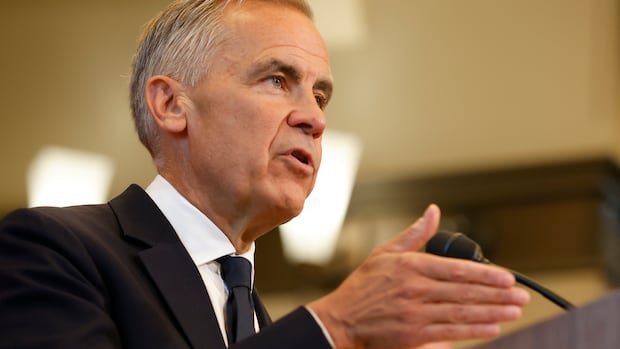

Prime Minister Mark Carney instructed his negotiators to withdraw from the discussions as the Trump administration brought forth unacceptable demands regarding culture, automobiles, and sovereignty. Carney expressed disappointment in the U.S.’s lack of interest in establishing a genuine economic partnership with Canada. He emphasized that the American requests were excessive and their offerings were insufficient.
Carney highlighted the U.S.’s objections to Canadian subsidies for French culture, the prevalence of French-language media online, and bilingual labeling requirements for products sold in Canada. These issues were deemed unacceptable by Canada from the beginning.
Specifically concerning the automotive sector, the U.S. proposed unfair treatment of Canadian-made parts and inconsistent tariff exemptions for certain vehicles. Carney rejected these demands, stating that they would have negatively impacted vehicle production in Canada over time.
Ontario Premier Doug Ford supported Carney’s decision to halt negotiations, asserting that Canada is prepared to prevail in a trade dispute with the U.S. Ford criticized the proposed deal, labeling it as detrimental to Ontario’s industries.
Additionally, the U.S. aimed to include measures in the agreement that would undermine Canada’s sovereignty. Carney denounced these attempts, emphasizing Canada’s commitment to free trade and its refusal to accept restrictions imposed by the U.S.
The last-minute changes introduced by the U.S. disrupted months of negotiations that were progressing towards a fair deal. As a result of the failed negotiations, tariffs on Canadian products were set to be imposed, with Canada planning reciprocal tariffs on U.S. goods.
Carney criticized the lack of unity within the U.S. administration during the talks, contrasting it with Canada’s unified approach to negotiations. He expressed concern over the U.S.’s changing rationale for imposing tariffs on Canada, citing various reasons that violated trade agreements.
Conservative Leader Pierre Poilievre expressed disappointment with the U.S.’s tariff decision and emphasized the need to protect Canadian industries. He advocated for continuing the fight for tariff-free trade and engaging in discussions with Carney to strategize for the betterment of Canada’s economy.
University of Calgary economist Trevor Tombe warned of the potential job losses in Canada due to the tariffs imposed by the U.S. He estimated that nearly 90,000 jobs could be at risk across the country, with varying impacts on different provinces.
Carney reassured the public of the government’s commitment to supporting businesses affected by the tariffs and promised to release supportive measures in the coming week. He emphasized the importance of standing firm on Canadian sovereignty and key industries in trade negotiations with the U.S.