

Australian researchers have developed a groundbreaking public tool to assess the environmental impact of fossil-fuel projects on the climate. The tool, known as the Carbon Impacts Tracer, can estimate the effects of proposed energy ventures on global warming, glacier melting, and potential human casualties.
Sarah Perkins-Kirkpatrick, a climate science professor at the Australian National University, announced the tool’s launch during a virtual news briefing. By analyzing a project’s carbon dioxide emission data and leveraging scientific research, the tool can predict the actual consequences of temperature rise, such as coral reef degradation, reduced food production, and job losses.
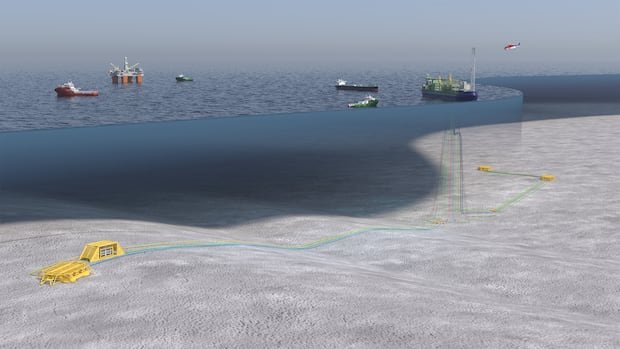
The tool’s debut showcased evaluations of various projects, including the Bay du Nord offshore oil endeavor led by Equinor, a Norwegian energy company. The tool forecasts that the CO2 emissions from Bay du Nord could reach 188 megatonnes over two decades, resulting in a minor temperature increase globally. Furthermore, it anticipates adverse effects like increased heat exposure for thousands of individuals, elevated heat-related fatalities, glacier retreat, job losses, and a rise in poverty levels.
While Equinor did not offer immediate comments on the findings, Joel Finnis, a climatologist at Memorial University, emphasized the importance of the tool in consolidating research outcomes for public understanding. He highlighted the tool’s ability to debunk arguments advocating for increased oil production by revealing the substantial societal and environmental costs associated with such projects.
Maria Nawaz from the University of New South Wales lauded the tool for bridging the gap between fossil fuel projects and their tangible impacts, countering assertions that individual projects have a negligible effect on emissions. She expressed optimism that the tool would empower governments, regulators, and the public to scrutinize new projects and enhance climate litigation efforts to hold entities accountable for their environmental footprint.
Nawaz suggested that insurers and economists could leverage the tool to assess project risks and economic implications, respectively. Currently focused on proposed developments, the tool’s creators aim to expand its coverage as more data becomes accessible, providing a valuable resource for informed decision-making in the energy sector.