
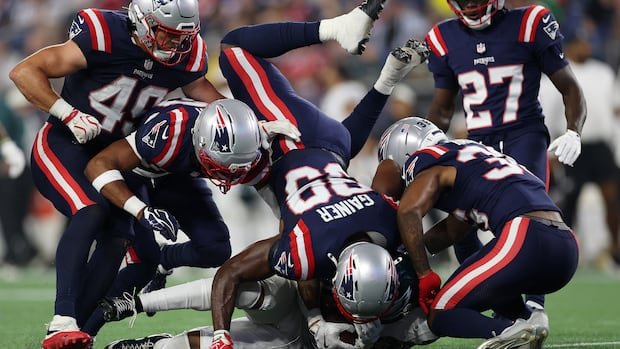

A recent study conducted by a prominent U.S. research team revealed that approximately 25% of former National Football League (NFL) players displayed signs of chronic traumatic encephalopathy (CTE) at the time of their passing. CTE, a degenerative brain condition linked to repetitive head injuries, is only diagnosable posthumously and is associated with various severe symptoms such as memory loss, balance issues, and behavioral changes like depression and aggression.
The study, undertaken by Mass General Brigham, Boston University, and the Concussion & CTE Foundation, aimed to determine the prevalence of CTE among all NFL players. Shockingly, over 90% of the donated brains examined showed evidence of CTE. Researchers estimated that the minimum prevalence rate of CTE among all players could be around 25%, considering only confirmed cases among brain donors.
Notably, around 60% of NFL brain donors with CTE met the clinical criteria for dementia, indicating significant cognitive impairment. Dr. Daniel Daneshvar, the lead author of the study, emphasized the importance of raising awareness about the long-term consequences of head trauma in athletes and the need for preventive measures beyond tackling concussions.
Renowned Canadian neuroscientist Dr. Charles Tator emphasized the urgency of implementing safety measures in sports to protect athletes’ brains and prevent the debilitating effects of conditions like CTE. He highlighted the need for early interventions to minimize the risk of repeated head injuries in contact sports and emphasized the importance of injury prevention programs.
The research team recommended further investigations focusing on recent athletes and the role of all forms of head impacts in CTE development. They stressed the significance of proactive measures to safeguard athletes’ brain health and called for a shift towards developing treatments to address CTE effectively. Dr. Matthew Burke, a cognitive neurologist, acknowledged the study’s limitations but underscored its contribution to advancing our understanding of CTE and the imperative of preventive strategies in sports.