

At Richfield Bowl in Flint, Michigan, the midday air is filled with the sounds of bowling balls rolling and pins crashing. Strikes, spares, and splits are taken seriously here, especially in the context of job security concerns expressed by bowlers like Scott Holmes. Holmes mentioned how President Donald Trump’s efforts to retain jobs in the U.S. resonated with him personally after his son lost his job due to outsourcing to Africa.
On the other hand, Holmes’ teammate, Dick Hunt, expressed skepticism about the impact of Trump’s tariffs, noting that ultimately, consumers bear the brunt of the costs. This sentiment was shared by Peggy Banks and Lisa McFadden, who highlighted the rising expenses brought about by tariffs.
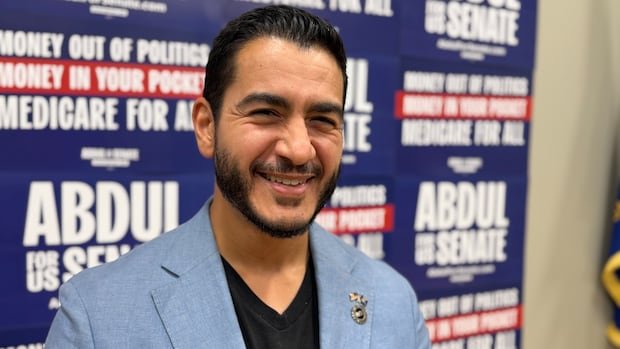
Michigan, a hub for the auto industry, has been significantly affected by the trade tensions, with households facing high tariff expenses. The upcoming U.S. Senate race in Michigan is heavily influenced by these trade dynamics, as both parties vie for control. Democratic candidate Abdul El-Sayed has been critical of Trump’s trade policies, emphasizing the adverse effects on consumers and the need for strategic tariff decisions.
In contrast, Republican nominee Mike Rogers has aligned himself with Trump’s objectives regarding trade with Canada, citing concerns about the future under a potential Democratic administration. The race for the Senate seat in Michigan remains closely contested, with voters divided on the role of tariffs in their voting decisions.
Residents in Genesee County expressed mixed views on the influence of tariffs on their voting choices. While some like Carl Olson believed that the situation would normalize over time, others like Joan Castor and Matt Zastrow had contrasting opinions based on their individual concerns and perceptions of the current administration’s performance. Business entities in the region are cautious about engaging in political discourse surrounding tariffs, focusing instead on the economic implications and the importance of clarity in trade policies.