
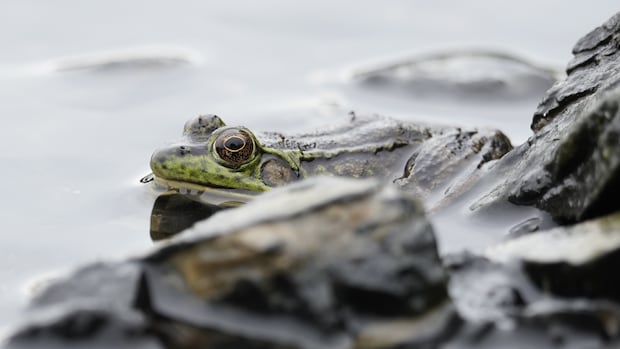

A lethal fungal pathogen that has been devastating amphibian populations across various regions globally has now reached Manitoba, although its impact on the Prairies may not be as severe—at least for now.
Initial laboratory findings indicate that Batrachochytrium dendrobatidis, commonly referred to as chytrid, has been detected in frogs and toads collected this year in Winnipeg, as well as in several locations throughout western Manitoba, according to Brandon University graduate student Jackie Tran.
“It took me a while to process the initial shock,” Tran remarked during a seminar organized by the Saskatchewan Prairie Conservation Action Plan on Tuesday.
“This follows the same trend observed across the continent. It has spread widely.”
Chytrid compromises the immune systems of amphibians, leading to organ failure. It has been linked to drastic declines in frog populations in various regions worldwide.
Until now, this pathogen had been confirmed in most areas surrounding Manitoba, including the Northwest Territories, North Dakota, Minnesota, and northwestern Ontario—specifically in Kenora and Grassy Narrows. Although Saskatchewan had one detection two decades ago, Tran noted that uncertainties still surround that incident.
The lack of the pathogen in Saskatchewan and Manitoba does not imply it was absent in these Prairie provinces previously.
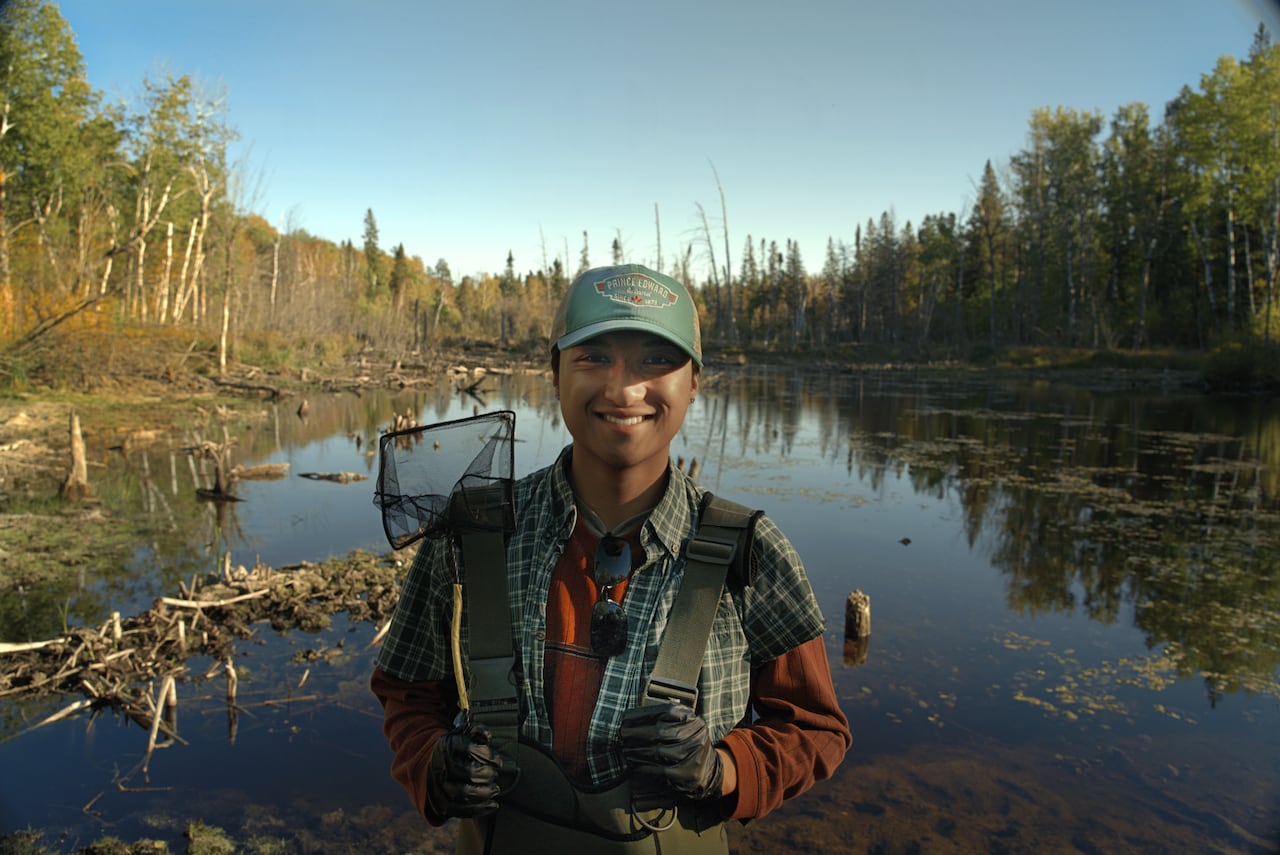
Jackie Tran, a master’s student at Brandon University, next to a wetland in Sandilands Provincial Forest on Oct. 1. (Bryce Hoye/CBC)
Tran stated that his discovery this year highlights a “low surveillance effort” in both provinces, coupled with a deficit of published or actionable data.
Half of the locations he tested for chytrid in the spring returned positive results, indicating that it might be more prevalent in Manitoba than he initially thought.
-
Researchers probe Prairie wetlands for signs of ‘epidermal epidemic’ in Manitoba frogs, salamanders
-
‘Deadliest disease in all time’ wipes out 90 species of frogs and toads
The lab results showed that nearly 15 percent—approximately one in seven—of the 91 frogs and toads he swabbed during the spring field season tested positive for the pathogen. This included wood frogs, northern leopard frogs, Canadian toads, and boreal chorus frogs.
Chytrid was detected in locations such as the Assiniboine Forest in Winnipeg, Turtle Mountain Provincial Park in southwestern Manitoba, Spruce Woods Provincial Park, the Brandon Hills Wildlife Management Area, and an undisclosed site in western Manitoba.
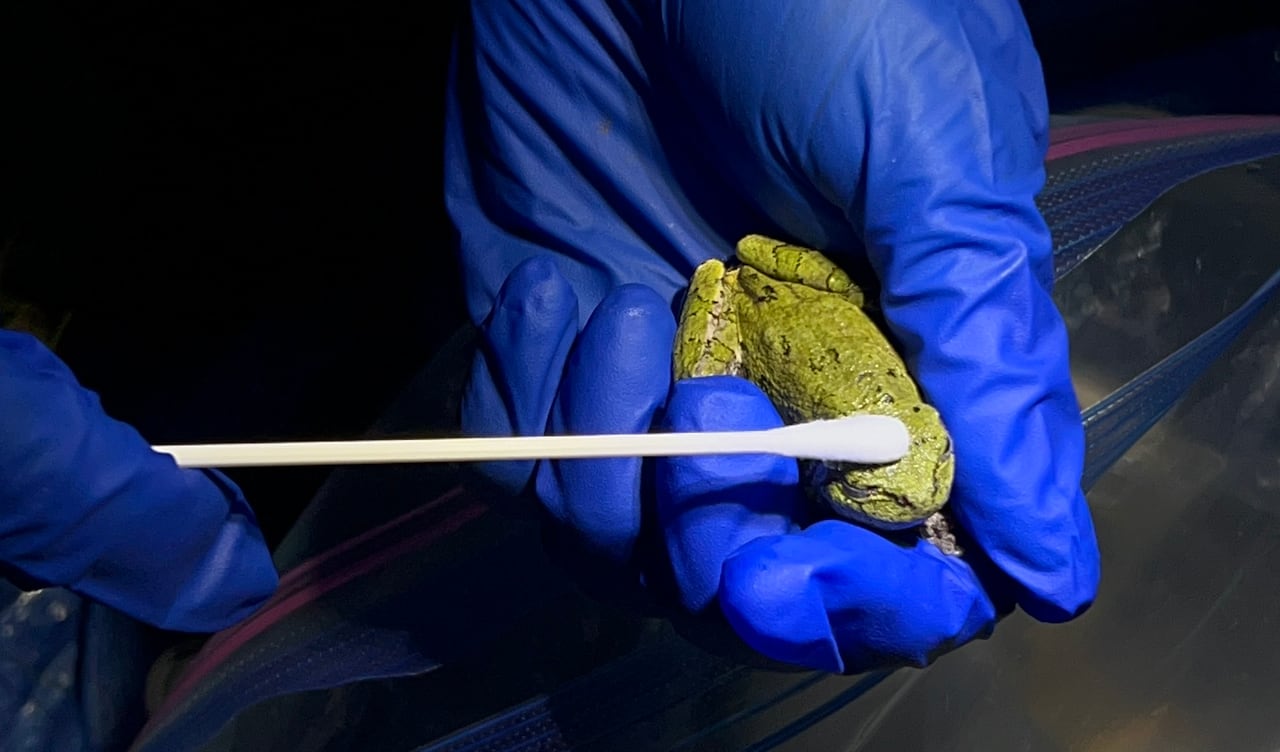
Tran swabs a gray tree frog last spring as part of his research. (Submitted by Jackie Tran)
He is still awaiting results from frogs collected from the Nutimik and Falcon Lake areas.
“Jackie’s surveys are crucial for addressing a significant geographic gap in the monitoring of [Batrachochytrium dendrobatidis] in Canadian amphibians,” Tran’s graduate supervisor, associate professor Pamela Rutherford, remarked to CBC News on Tuesday.
The symptoms associated with chytrid resemble something out of a horror film: skin thickening, whitening, and then peeling away in patches. Lethargy follows as organ failure occurs.
However, none of the frogs and toads in Manitoba that were carrying chytrid exhibited these visible signs of infection.
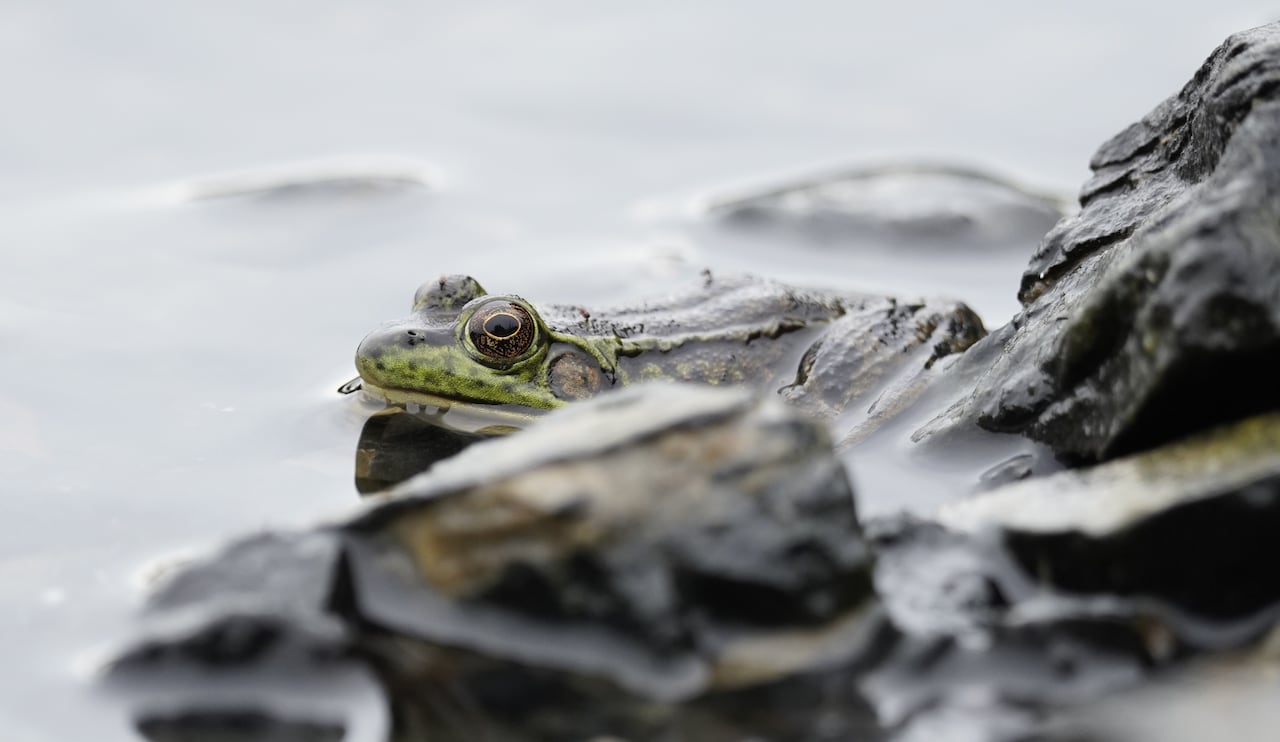
A frog lurks along the edges of a lake near the border of Manitoba and Ontario in September. (Bryce Hoye/CBC)
This pattern has also been observed in New Brunswick, Quebec, Ontario, and parts of British Columbia, where chytrid is present but has not yet led to widespread mortality or illness, according to Lenny Shirose.
“We occasionally witness individual animals succumbing to chytridiomycosis, but we have not observed the horrific symptoms seen in other regions globally,” explained Shirose, a wildlife biologist at the Canadian Wildlife Health Cooperative based at the University of Guelph.
-
Interest waning in Manitoba reptile, amphibian project, biologist says
-
Frogs are dying and Korea gets the blame
“We need to understand why…. Complacency is not an option.”
According to the International Union for Conservation of Nature’s “red list,” a quarter of all freshwater species are at risk of extinction globally. The list indicates that 41 percent of amphibian species worldwide are threatened with extinction, with disease being a significant factor in their decline.
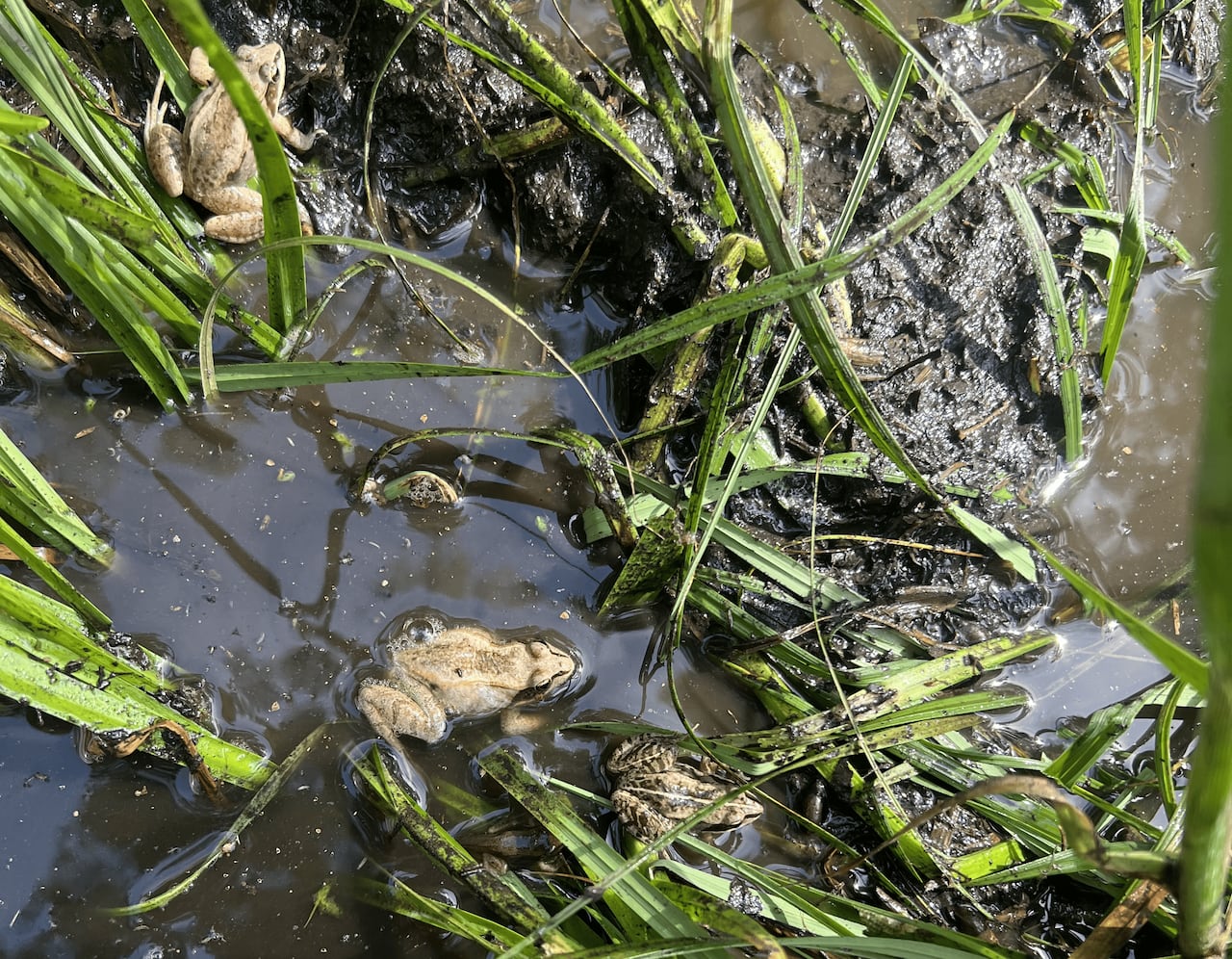
Tran sampled a variety of the 16 amphibian species that call Manitoba home, including wood frogs, such as those shown here in a wetland. (Submitted by Jackie Tran)
The current theory as to why chytrid isn’t causing visibly severe effects in Canada is that the strain or strains of the pathogen present in the country may be less aggressive, according to Shirose.
The emergence of a more virulent, rapidly spreading strain “could change everything,” which is why research like Tran’s needs to continue, Shirose emphasized.
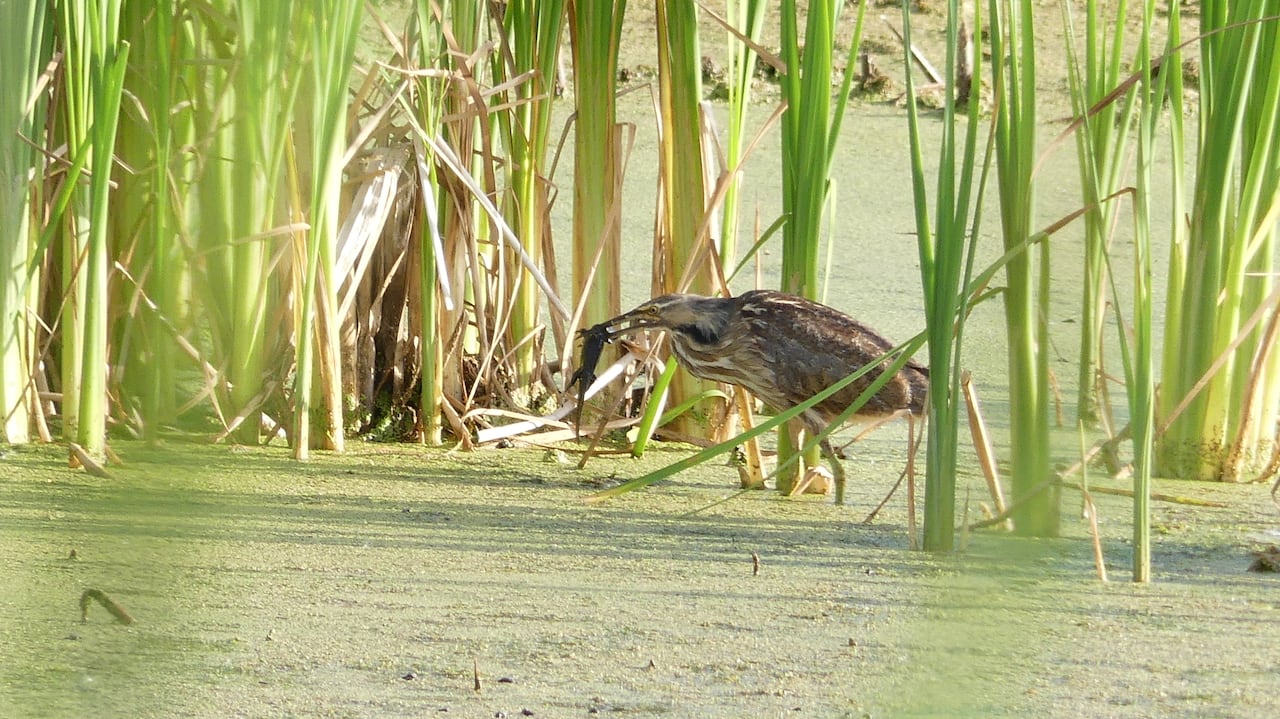
An American bittern eats a barred tiger salamander. (Bryce Hoye/CBC)
“Should that occur, we would need to treat it as if a completely new disease had been introduced, necessitating efforts to isolate and eradicate it before it establishes itself,” stated Shirose, who coordinates the Canadian branch of the Student Network for Amphibian Pathogen Surveillance (SNAPS).
A research team associated with the Wilder Institute and the Calgary Zoo is conducting field trials that indicate young leopard frogs can be vaccinated against chytrid.
This is promising news, as Tran’s models predict that climate change may accelerate the pathogen’s spread.
“Due to the interconnectedness of amphibians and this pathogen with their ecological needs, climate shifts could lead to more amphibians and [chytrid] converging in the same habitats, thereby increasing exposure risk,” he noted.
Tran, Shirose, and others involved in SNAPS are part of a continent-wide initiative aimed at monitoring the chytrid strain identified in Manitoba, Batrachochytrium dendrobatidis, as well as Batrachochytrium salamandrivorans.
The latter has been devastating salamander populations in Europe, raising concerns that it could spread to North America.
To effectively respond to either strain, it is essential to pinpoint their locations, which is challenging without a long-term surveillance program in the provinces.
“Our monitoring efforts are below the federal and North American averages. To address this, we require increased interest in this research,” Tran expressed.
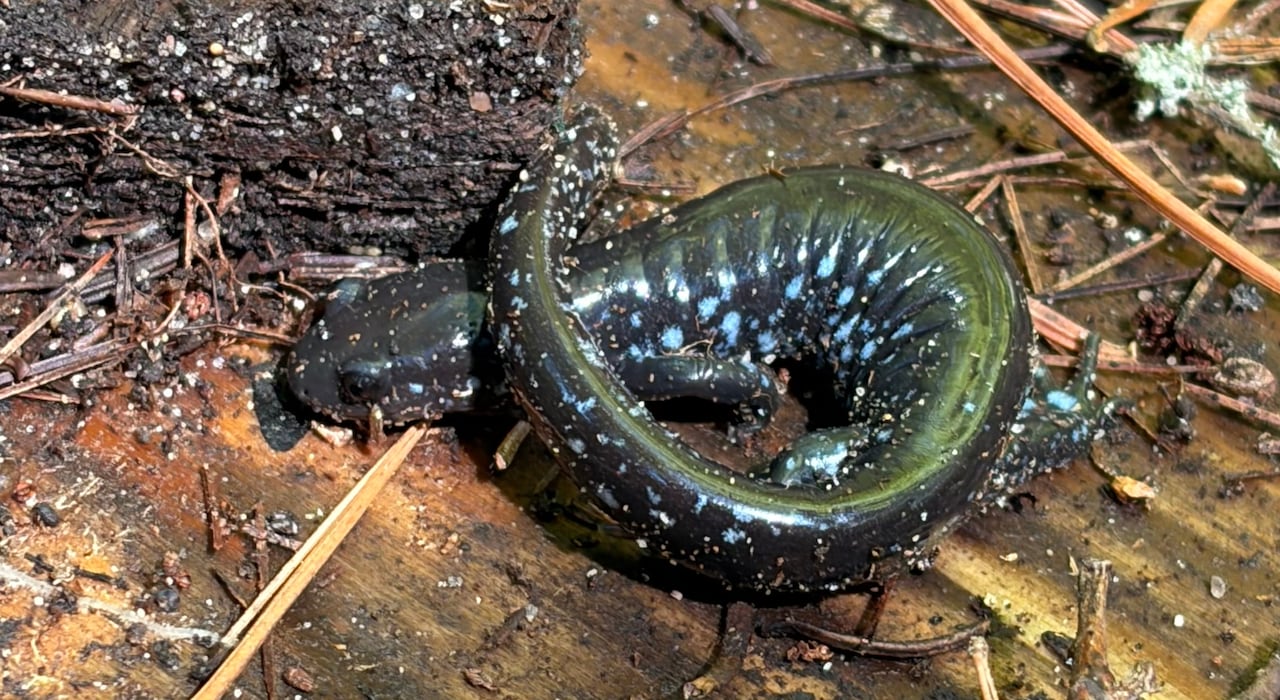
A blue-spotted salamander emerges from beneath a woodpile in northwestern Ontario last summer. The fungal infection Batrachochytrium salamandrivorans hasn’t been confirmed in salamanders in North America yet. (Colby McGilvray/CBC)
“Habitat degradation, pesticides, pollutants, and similar factors are already affecting their environments. We are already pushing them to their biological or physiological limits,” he explained.
“When the disease factor is added, requiring even more energy to combat this pathogen, they simply cannot cope.”
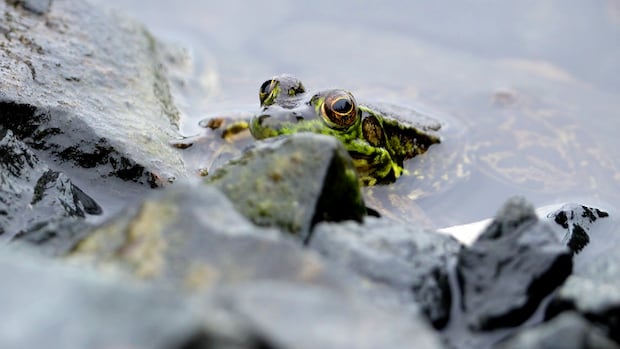
Brandon University researchers are searching Manitoba wetlands for frogs, toads and salamanders, expecting to find something they don’t really want to see: signs of a fungal infection plaguing amphibians the world over.
Tag: rewrite-pending