
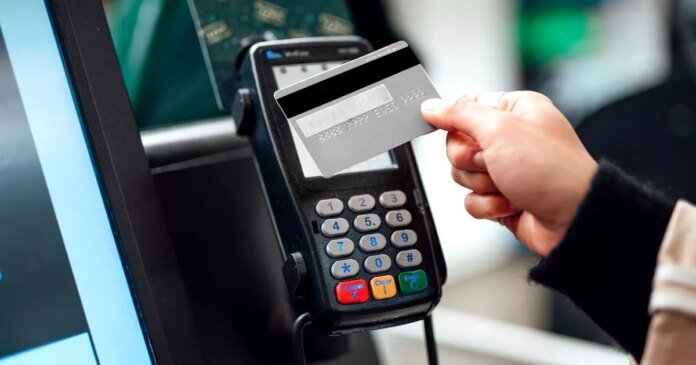

The potential removal of the contactless payment limit could bring significant changes for shoppers in the near future. Currently capped at £100, the Financial Conduct Authority (FCA) is contemplating either increasing this limit or eliminating it entirely. The FCA initially expressed interest in revising the contactless limit in a communication to the Prime Minister earlier this year.
In a recent development, the FCA released an engagement paper outlining various possible actions and is seeking input on potential alterations. Besides the option of scrapping the contactless limit altogether, another proposal is to allow companies to establish their own limits, akin to the practice in the United States.
The contactless payment threshold has seen multiple increments over the years, starting at £10 in 2007, then progressing to £15 in 2010, £20 in 2012, £30 in 2015, £45 in 2020, and finally reaching £100 in 2021. Typically, individuals can make numerous contactless transactions throughout the day, each not exceeding £100. However, if cumulative purchases surpass £300, PIN verification may be required.
David Geale, the FCA’s executive director of payments and digital assets, emphasized the importance of enhancing trust in the UK’s payment system, especially with 85% of UK residents engaging in monthly contactless card transactions. This initiative aligns with the FCA’s broader strategy to bolster economic growth and enhance societal well-being.
Economic Secretary to the Treasury, Emma Reynolds, endorsed the FCA’s review of contactless payment limits as a positive step towards empowering families with greater flexibility in their spending. The move is part of a concerted effort to drive economic growth and improve financial outcomes for the populace.
According to UK Finance analysis, fraudulent contactless expenditures in 2023 amounted to £41.5 million, a 19% surge compared to the previous year. However, the study highlighted that despite the increase in fraudulent activity, the rate of growth in contactless fraud has been slower relative to transaction volumes and values.