
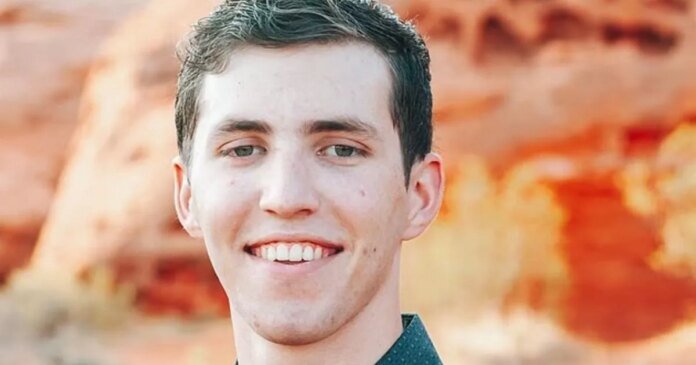

In a serene neighborhood, near the expansive residence of Charlie Kirk murder suspect Tyler Robinson, the atmosphere belies the heinous act that transpired within its confines. The tranquil street, where families convene on front porches and children joyfully ride bikes, seemed like a haven of virtue and security. However, behind the facade of this suburban abode, a disturbing hatred festered in the heart of 22-year-old Robinson, culminating in the alleged assassination of Kirk.
Neighbors express astonishment at the revelation, recalling pleasant gatherings and community activities with the Robinson family, perceived as wholesome and benevolent. Amber, Robinson’s mother, dedicates herself to assisting the disabled, while his father, Matt, pursues a career in construction. Despite the idyllic portrayal on social media—filled with cheerful family moments and academic achievements—the hidden animosity and turmoil brewing in their home remained concealed.
Reports indicate that Robinson disclosed his actions to his father post-incident, leading to the involvement of authorities through a clergy member. The community now witnesses a stark contrast as children pass by the residence, guided indoors by concerned parents amidst the police presence, reflecting on the alleged transformation of “Tyler” over recent years.
Governor Spencer Cox acknowledged the family’s admission that their son had adopted increasingly radical political views, particularly directed towards Kirk. These sentiments, now linked to the heinous act of violence, have shocked the neighborhood and law enforcement alike.
Evidence uncovered by FBI agents at the crime scene, including shell casings inscribed with anti-fascist slogans and incendiary messages, showcases a disturbing narrative. Furthermore, Discord conversations reportedly show Robinson boasting about retrieving a weapon and disposing of it post-assassination.
The incongruity between Robinson’s online persona and the tragic turn of events puzzles many. His brief stint at Utah State University ended abruptly, with friends noting his withdrawal and increased online presence, diverging from his former church involvement. The toxic influences that led to this outcome appear to have metastasized within the suburban setting.
Robinson’s apprehension, hundreds of miles away from the crime scene, prompted Governor Cox to affirm his arrest, signaling a potential capital punishment sentence if found guilty. The chilling prospect of a father potentially witnessing his son’s demise through legal proceedings looms over the once seemingly ordinary household.
Amidst the basketball hoops and carefree children in the neighborhood, former acquaintances of Robinson now avert their gazes, grappling with the unsettling reality of the situation. The narrative of a devout Mormon family breeding a son accused of targeting a prominent right-wing figure challenges preconceived notions of faith and community.
Robinson’s residence, nestled in the quintessential American suburb, now harbors a somber revelation—one that shatters the illusion of suburban tranquility.