

In a surprising turn of events, a 90-year-old man who was pronounced dead at a hospital in Palmeira dos Índios, Brazil, shocked morticians by showing signs of life after being declared deceased. The patient had suffered a cardio-respiratory arrest following treatment on September 1, leading to unsuccessful resuscitation attempts and his declaration of death in the emergency room.
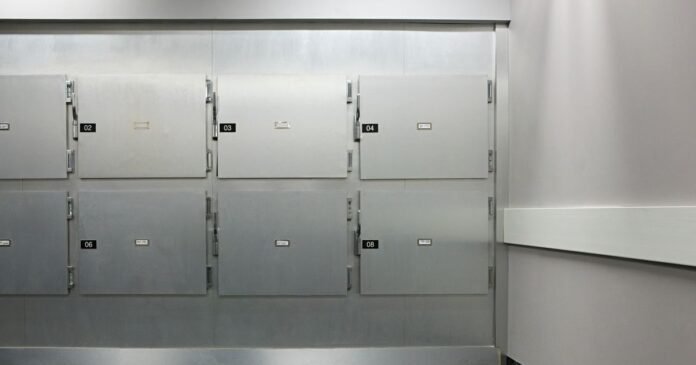
After being transferred to the morgue for further processing, family members arrived to bid their final farewells only to discover that the supposedly lifeless body was still breathing. Medical examination confirmed that the man was indeed alive, prompting his re-hospitalization at the emergency care unit.
Despite efforts to save him, the man sadly passed away again in the early hours of the morning. This extraordinary incident raised questions within the hospital and the local community, leading management to affirm that no medical errors occurred during the patient’s care.
The medical phenomenon of patients seemingly coming back to life, known as the Lazarus effect or autoresuscitation, has been documented in rare cases. Healthcare providers often cannot explain the cause behind these occurrences, which occur even after CPR has ceased. While appearing miraculous, the survival rate following such events is typically low.
Historically, there have been other instances of individuals defying death, such as the case of Frenchman Angelo Hays, who was mistakenly pronounced dead in 1937 but was later found alive after being buried. Such events, although uncommon, continue to captivate and intrigue both medical professionals and the general public.