

As winter approaches, weather forecasts are indicating that snowfall is expected to cover Scotland and parts of northern England in November. Ensuring our residences remain warm is now crucial. The latest GFS model maps predict a significant blizzard hitting Scotland on November 13, focusing around Inverness, Wick, and Aberdeen.
Areas of southern Scotland and northern England, including Newcastle and the Pennines, may experience light snow or sleet. Conversely, central and southern England, spanning from Manchester and Birmingham to London, is anticipated to remain cold and dry, with the possibility of a few coastal showers.
Social media is flooded with individuals seeking advice on staying warm as temperatures are set to drop. To address this need, James Higgins, a flooring expert at Online Carpets, has shared six simple and cost-effective strategies to enhance warmth in homes without excessive heating usage. These tips range from strategic furniture arrangement to proper window insulation, aiming to keep households cozy while minimizing energy expenses.
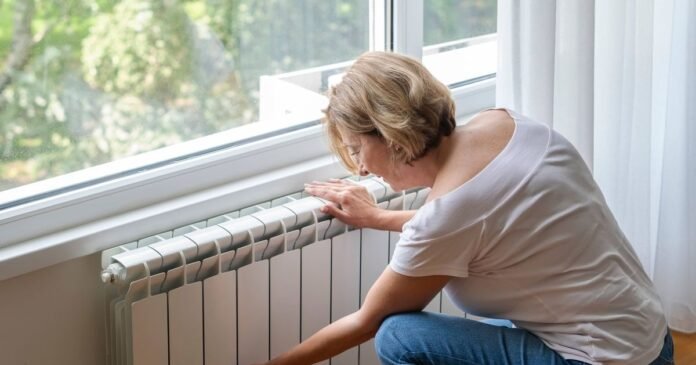
Higgins cautioned against placing large furniture pieces directly in front of radiators, as this impedes heat circulation, leaving the room unevenly warm. Opting for carpets made from natural fibers like wool can aid in heat retention, providing insulation that contributes to a warmer indoor environment. Synthetic options such as polypropylene are also effective for insulation and durability compared to hard flooring surfaces like laminate or tiles.
Adding thick rugs on top of wooden or laminate floors can quickly increase room temperature by preventing draughts and offering additional insulation. Textile accessories such as wool throws and velvet cushions can create a cozy atmosphere, enhancing both physical warmth and visual comfort.
Maximizing the efficiency of curtains, especially heavy or lined ones, can further trap warmth indoors by acting as an additional insulating layer. Higgins emphasized the importance of blocking draughts under doors and around frames to prevent heat loss and maintain a comfortable living space.
Implementing simple solutions like draught excluders or self-adhesive draught strips to seal gaps can significantly improve the warmth of a home without the need to constantly adjust the heating system. These cost-effective measures can enhance comfort and reduce energy consumption during the colder months.