

Conspiracies have been around for ages, persisting despite advancements in human knowledge. Various industries have thrived on spreading misinformation about events like the Moon landing, 9/11, Princess Diana’s death, Barack Obama’s birth certificate, the Roswell incident, and more recently, the Covid pandemic.
From wild claims such as Bill Gates implanting microchips in people’s brains to allegations of Big Pharma orchestrating a hoax, millions of individuals, influenced by anti-vaxxer figures, have embraced these theories. While some found amusement in these notions, particularly when celebrities like Madonna expressed their views from their luxurious residences, the situation is growing more serious.
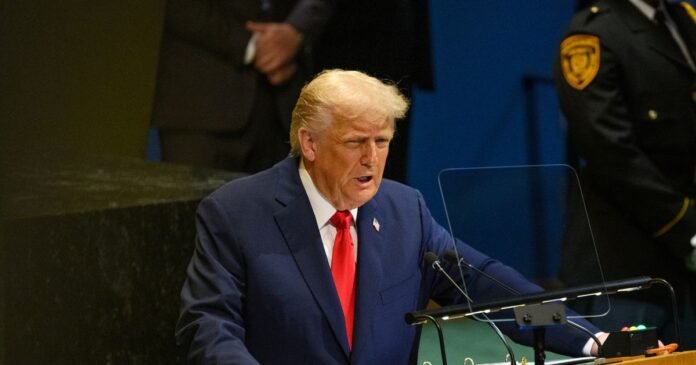
Former President Donald Trump, known for his conspiracy outbursts, is now being taken more seriously globally. His recent speech at the UN, filled with conspiracy theories about climate change, migration, and the UN itself, highlighted the extent of these beliefs. Additionally, Trump’s endorsement of unproven medical theories, like paracetamol causing autism in unborn babies, has raised concerns, especially with the rise of populism and his supporters gaining influence.
Conspiracy theories also play a significant role in Russia, where Putin’s regime thrives on such narratives to suppress dissent and deflect criticism. Populist leaders like Trump and Nigel Farage exploit these baseless ideas to stoke division and anger among disenchanted populations. The dangers of these theories are evident, as they can lead to real-world consequences, as seen in history with Adolf Hitler’s use of similar ideas to justify atrocities.
In a world where conspiracy theories are increasingly shaping public discourse and political actions, it is crucial to remain vigilant against the spread of misinformation and its potential consequences.