
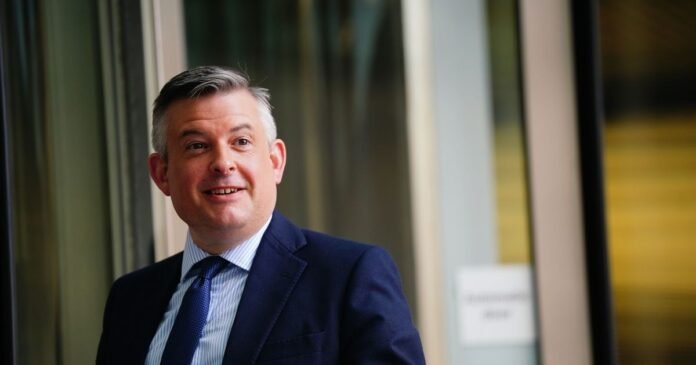

The Labour Party Conference commences in Liverpool today. I have been an active participant in these events since 1996 when I served as a steward at the conference hall entrance.
After attending numerous Labour Conferences, I have learned to not pay too much heed to the rumors and excitement surrounding political maneuvers. While entertaining for the media, it often amounts to trivialities.
What truly matters is the articulation of a forward-looking vision and the delivery of results for the nation. The Labour Party thrives when it prioritizes its core mission of promoting fairness and opportunity, a focus that the top leadership team is currently emphasizing.
For instance, the NHS stands as a testament to Labour’s commitment to uplifting millions of households by providing quality healthcare. Through investment, reform, and leveraging advancements in science and AI, Labour has been addressing waiting times and ensuring top-notch care.
To support the working population, Labour has raised the minimum wage, strengthened employee protections, and cracked down on unethical practices. In contrast, under the Tories, a million young individuals faced unemployment.
Labour is introducing extensive reforms in skills development and welfare-to-work programs to secure a brighter future for the current generation. The party has long criticized the Tories for their inadequate approach to poverty, exemplified by harmful benefit cuts like the two-child rule.
In response to the pressing issue of child poverty, government ministers are set to release a review. Urgent action is required to ensure every child in the UK receives the attention they deserve. Labour has initiated measures such as expanding access to breakfast clubs and school meals to support today’s youth, with Keir Starmer pledging to combat child poverty decisively.
A Labour government is committed to eradicating child poverty and improving living standards, a goal that sets it apart from other political factions. Nigel Farage’s policies, on the other hand, pose a threat to Labour communities, emphasizing divisive and detrimental practices that must be denounced.
The departure of Angela Rayner was a significant setback, considering her influential role in Keir’s Cabinet. However, the race for a new Deputy Leader presents Labour with capable candidates who can effectively represent the party’s values.
The competition between Lucy Powell of Manchester and Bridget Philipson of Sunderland should not be misconstrued as a proxy battle but rather celebrated as a demonstration of strong leadership within the Labour Party.
In Leicester, the festive spirit is high as residents partake in cultural celebrations like Navratri and prepare for the upcoming Diwali festivities. The city’s inclusive ethos, welcoming families from various countries, underscores the importance of diversity and international contributions to essential services like the NHS.
Labour’s commitment to standing against discriminatory policies, such as Farage’s proposed deportation of legal immigrants, showcases the party’s dedication to inclusivity and unity within communities.
As the political landscape evolves, Labour’s focus remains on championing fairness, providing opportunities for all, and upholding essential services like the NHS. This vision aligns the party members and supporters in a common goal that sets them apart from other political factions.