
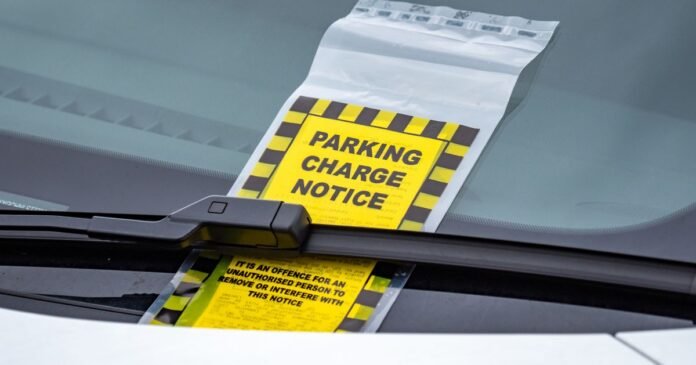

Campaigners are calling for a £50 cap on fines imposed by private parking firms, urging the government to take action. Labour is currently discussing a new enforceable code of conduct to regulate car park operators, following the abandonment of a previous attempt by the Tories. Concerns have been raised by motorists who feel unfairly treated by operators, facing hefty fines and debt collection threats for non-payment.
Recent data analysis by the RAC reveals a surge in private parking firms issuing a record 14.4 million tickets to drivers in the past year. Additionally, government data shows a significant rise in car park management companies seeking vehicle owner details from the DVLA to issue fines, escalating from 1.9 million in 2012 to 8.4 million in 2019 and 12.8 million in 2024.
While the industry’s parking code of practice, effective since October last year, introduced some improvements like a 10-minute grace period and clearer signage, it only applies to certain parking associations, with some provisions delayed until December 2026. Consumer group Which? advocates for a £50 fine limit, mandatory clear signage in car parks, and considerations for mitigating circumstances like medical emergencies or vehicle breakdowns when issuing fines.
The Conservative government’s plan for a statutory parking code was withdrawn due to legal challenges from parking firms. Which? also criticizes the automatic inclusion of debt recovery fees, adding £70 to fines, and calls for a single, independent appeals service to challenge wrongful fines. Alex Norris MP highlights the importance of the private parking industry but acknowledges reports of poor behavior by operators causing difficulties for motorists.
Sue Davies, head of consumer rights policy at Which?, expresses concerns over the inconsistent rules in private car parks leading to unfair treatment of drivers. The British Parking Association supports the government’s consultation, emphasizing the need to maintain a £100 cap on parking charges to deter rule-breakers and protect responsible motorists.