
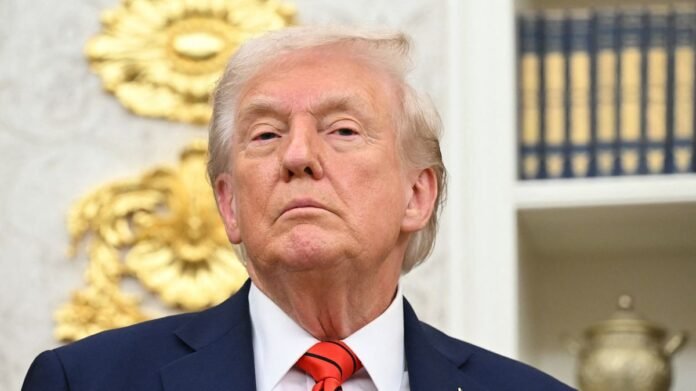

Donald Trump is being credited with achieving what others have not been able to accomplish. Trump himself is boasting about this success during his tour in the Middle East. However, the reality is that if there were no personal gain for him, there would likely be no peace deal.
The recent transfer of 20 hostages and Israel’s initial troop withdrawal in Gaza could potentially mark the beginning of a long-lasting peace agreement. While there is a chance for a positive outcome, the likelihood remains uncertain.
Despite Trump’s self-proclaimed victory and his bold declarations of “war is over,” the effectiveness of his approach remains in question. His tactics seem to rely more on intimidation rather than genuine negotiation skills.
The future steps involve a gradual release of hostages and a phased withdrawal, which are expected to face challenges. The ultimate goal is to rebuild Gaza with financial backing from Arab states in the region, aiming to shift the focus from conflict to economic development.
This strategy echoes past attempts by figures like Tony Blair to use economic incentives to achieve peace, with mixed results. Trump’s involvement in the peace process raises concerns about the sustainability of the proposed solutions and the potential implications for the region.
While Trump may seek recognition for his role in the peace process, the complexities of the situation and the deep-rooted issues in the region pose significant hurdles. The success of the peace efforts will depend on multiple factors, including the willingness of all parties to cooperate and the ability to navigate the intricate dynamics at play.