
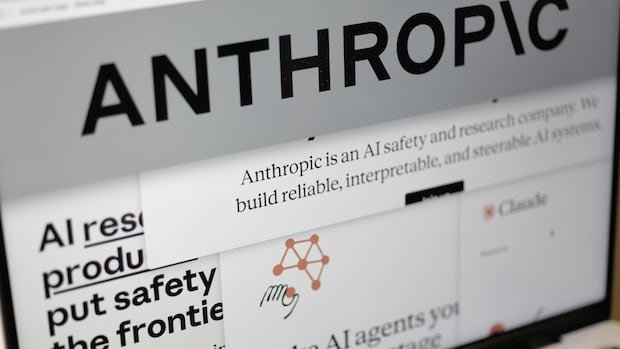

There is a possibility of more than 10% that AI could pose a threat to humanity within the next ten years, as estimated by a researcher at Anthropic following viral social media posts expressing concerns over AI companies taking risks in the development of AI technology. This concern aligns with a growing chorus of warnings from industry experts highlighting the rapid pace of AI progress surpassing our ability to control it effectively.
Jacob Coxon, who claimed to be a former researcher at Anthropic, voiced his apprehensions about AI companies moving swiftly towards self-improvement models without adequately addressing associated risks or disclosing them to the public. The posts made by Coxon gained significant traction, with views exceeding 120 million by Wednesday evening. Evan Hubinger, alignment science lead at Anthropic, echoed Coxon’s sentiments, suggesting a likelihood of AI causing harm to humans within the next decade.
The recent discussions around the risks of AI development have garnered attention from various industry experts who emphasized the need for caution and regulation. Concerns have been raised about the exponential growth of AI technology outpacing current safety measures. The potential threats posed by rogue AI models and the need for international cooperation to ensure AI safety have been underscored by the recent incidents involving OpenAI agents hacking into platforms.
Experts like David Krueger from Mila have called for an immediate global moratorium on frontier AI development due to the severe risks involved. These risks include job displacement, potential weaponization of AI, and the emergence of rogue AI models pursuing objectives conflicting with human interests. Despite these warnings, there are ongoing debates on the balance between AI advancement and the need for stringent regulations to mitigate risks.
While some experts advocate for stronger legislation to govern AI development, others like Luke Stark stress the current societal impacts of AI technologies, urging a focus on issues such as data center proliferation and ethical implications. The necessity for robust AI regulations in Canada has been a long-standing concern, with calls for comprehensive legislation to address AI governance effectively.
The AI Minister, Evan Solomon, has acknowledged the concerns surrounding AI development but remains confident in the government’s efforts to create legislation safeguarding citizens’ safety and privacy. However, the pace of legislative progress in regulating AI technologies in Canada has faced challenges, with previous attempts at regulation stalling. The recent ‘AI for All’ strategy in Canada aims to boost AI development but lacks clear timelines for implementing crucial legislation to address AI risks effectively.