
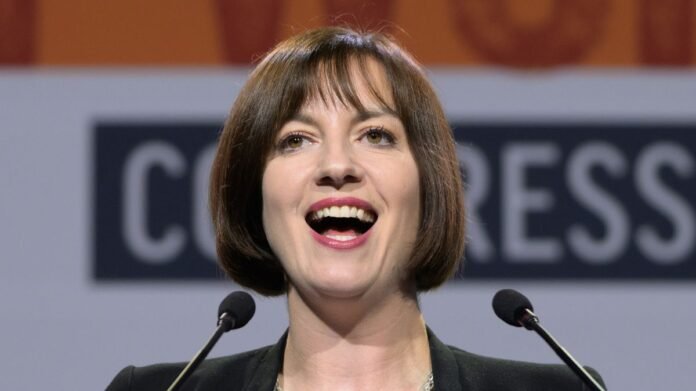

Bridget Philipson is poised to make a significant impact as Deputy Leader of the Labour Party with the support of Keir Starmer.
While the deputy leadership race may not be at the forefront of most Labour Party members’ minds, its importance should not be underestimated. The need to redefine the role of a deputy leader in a scenario where the Prime Minister is not obliged to offer the deputy premiership was briefly discussed but swiftly pushed aside to avoid unnecessary conflict post-Angela Rayner’s departure.
The current choice lies between two highly capable women from northern constituencies who emphasize their loyalty and commitment to the deputy role rather than seeking to disrupt the status quo or set the stage for future leadership challenges.
The key consideration for voters is identifying the candidate with the most experience and influence, particularly in terms of their ability to advise Keir Starmer even when delivering challenging feedback.
Advocates for Bridget Philipson highlight her strong advocacy for education, especially in early childhood development and the revitalization of the Sure Start program. Her dedication to improving childcare quality and educational standards reflects a vision for significant public investment in education and skills under Keir’s leadership.
Philipson’s leadership in the Child Poverty Review demonstrates her deep understanding of the interconnected policies needed to address family poverty and child welfare effectively.
As Deputy Leader, Bridget is expected to leverage her influence to address pressing issues like special educational needs left unresolved by the previous government, requiring strategic political maneuvering and collaboration with key figures like Rachel Reeves.
Whoever wins this contest, whether exciting or not, will play a crucial role in shaping the Labour Party’s direction, collaborating with party chair Anna Turley on internal matters, coordinating campaign strategies, and maintaining cohesion within the Parliamentary Labour Party.
In conclusion, the Labour Party’s deputy leadership election, though often overlooked, holds significant importance in shaping the party’s future trajectory.