
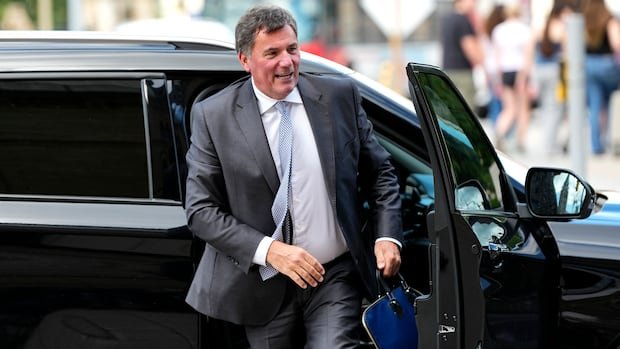

Canada’s Trade Minister, Dominic LeBlanc, engaged in a lengthy meeting with U.S. officials in Washington, aiming to finalize a deal that would alleviate tariffs on Canadian industries and allow U.S. alcohol sales in Canadian liquor stores. The closed-door meeting with U.S. President Donald Trump’s top trade official, Jamieson Greer, yielded positive developments, although specific details were not disclosed.
According to a source familiar with the negotiations, the agreement includes reducing U.S. tariffs on Canadian steel and aluminum from 50% to 25%, with discussions on derivatives and exemptions ongoing. The deal is expected to decrease tariffs on Canadian-built cars and trucks from 25% to 15%, potentially lowering the effective rate to 7.5% for non-U.S. components.
In exchange for tariff reductions, the U.S. seeks an end to the boycott on American alcohol in most Canadian liquor stores and the removal of provincial restrictions on American companies vying for government contracts. These actions were retaliatory measures taken in response to previous U.S. tariffs on Canadian goods, significantly impacting American liquor sales in Canada and hindering U.S. firms from winning procurement bids.
While some premiers support the deal brokered by Mark Carney to mitigate tariffs, Manitoba Premier Wab Kinew expressed skepticism, advocating for a more confrontational approach towards the U.S. Nevertheless, Kinew acknowledged Carney’s efforts and agreed to restore U.S. liquor sales as part of the agreement.
The provinces are deliberating on the deal’s implications, with Quebec Premier Christine Fréchette considering the impact on Quebec’s economy before making a final decision on restoring U.S. alcohol sales. British Columbia Premier David Eby expressed optimism about the agreement, emphasizing the importance of diversifying trade partners and strengthening the Canadian economy in light of ongoing negotiations.