
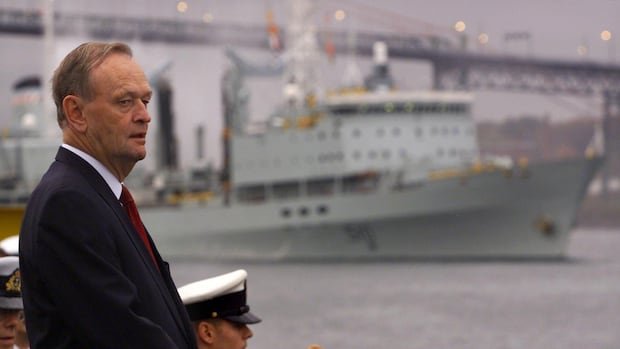

Canada, known for objecting to the 2003 Iraq war, was making preparations to support the U.S.-led invasion by deploying naval ships into combat if approved by the UN Security Council, as per cabinet records. The minutes from the final cabinet meetings leading to the invasion reveal that the government was considering the possibility of UN sanctioning military action and engaged in discussions on ethical matters like life and death.
The U.S. initiated the invasion under the pretext of disarming Saddam Hussein of alleged weapons of mass destruction, which were never found. President George W. Bush’s administration framed the conflict as part of the broader war on terror following the 9/11 attacks. Prime Minister Jean Chrétien officially declared in the House of Commons on March 17, 2003, that Canada would not join the U.S.-led coalition in Iraq, just before the invasion commenced.
The U.S. withdrew a resolution from the Security Council that would have authorized military action as it faced likely defeat. CBC News obtained the cabinet meeting minutes from February 25, 2003, through an access to information request, indicating Canadian government readiness for potential military options.
Then Minister of National Defence John McCallum stated that Canada couldn’t provide ground support due to commitments in Afghanistan but could send ships if the resolution passed. Retired General Raymond Henault confirmed that the Canadian Armed Forces were prepared to contribute to the Iraq war if Canada chose to participate.
Canada had ships in the Persian Gulf engaged in counterterrorism operations at the time. Discussions between U.S. and Canadian officials considered how those ships could support the invasion. The cabinet minutes suggested that the ships’ role in the broader war on terror could have expanded if the UN approved military action.
Henault explained that the ships would have been involved in naval combat operations supporting the invasion of Iraq, including ships carrying patrol aircraft and potential engagement of Canadian special forces. The decision to stay out of the war was viewed as a display of Canada’s sovereignty.
Cabinet documents revealed support for Chrétien’s decision, emphasizing the need for principled leadership post-conflict and continued efforts against terrorism. Concerns were raised about potential damage to U.S. relations and the broader implications of a war in Iraq.
In conclusion, the debate on justifying war and taking life during the cabinet meeting underscored the gravity of the decision-making process. Emotions ran high, recognizing the possible human cost and the weight of the decisions being made.