
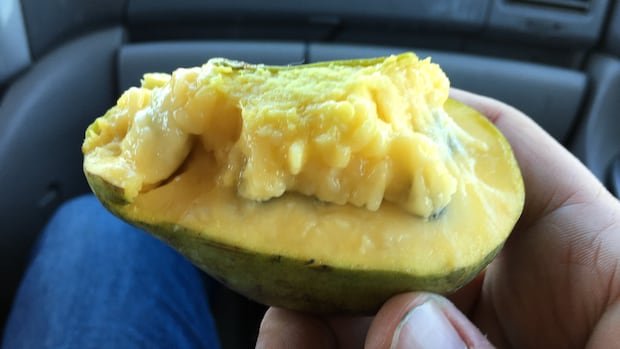

In Canada, the pawpaw fruit, often described as tropical-tasting, is a hidden gem according to chef Tawnya Brant. The owner of Yawékon Foods and host of the APTN’s One Dish One Spoon show, Brant hails from the Mohawk tribe at Six Nations of the Grand River. She likens the flavor of pawpaw to a blend of banana, mango, and pineapple, with a creamy consistency that turns almost caramel-like as it matures.
Pawpaws have deep roots in North America, flourishing in regions from Florida to Missouri to southern Ontario for centuries. Originally cultivated by Indigenous communities, these fruits faced setbacks due to land clearing during colonization. However, some pawpaw trees still thrive in the wild and in select orchards across southern Ontario, British Columbia, and Quebec, producing fruit during the autumn season.
Despite their delectable taste, pawpaws remain relatively obscure due to their short shelf life and susceptibility to bruising, making large-scale commercial distribution challenging. Brant’s introduction to pawpaws came through a friend who shared some from her mother’s garden. The Haudenosaunee people historically cherished pawpaws, even transporting the trees up the eastern coast over time.
Thomas Mathias, of Mathias Farm in Ontario’s Niagara region, ventured into pawpaw cultivation around 15 years ago. After years of experimentation, including innovative methods like using llama manure to attract pollinators, Mathias and his sister, Beth Secord, now harvest a significant bounty of pawpaws annually.
Secord, impressed by the fruit’s taste and health benefits, notes a growing interest in pawpaws, with customers returning for more and spreading the word. She envisions a resurgence of pawpaw popularity, hoping more individuals will eventually have their own pawpaw trees.
For those eager to sample pawpaws, farmers’ markets and pawpaw festivals in certain Canadian regions, typically held in early October, are good places to start. Besides enjoying the fruit fresh, it can be incorporated into various dishes like salad dressings, sauces, and even cheesecakes. However, caution is advised as the skin and seeds are toxic.
Chef Brant, with aspirations of expanding her pawpaw orchard, eagerly anticipates the day when she can share this “treasured little gift” with a broader audience annually.