
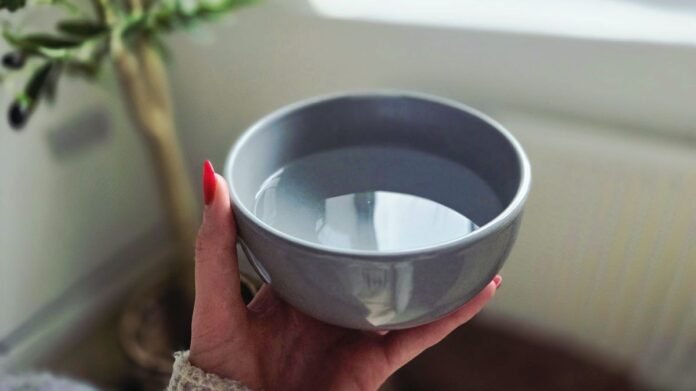

To lower the risk of contracting illnesses like COVID-19, the flu, or a cold, individuals are advised to place containers of water around their residences. The United Kingdom is currently experiencing an unusually severe flu season, described by health authorities as an “unprecedented wave” or a “worst-case scenario” for this time of year.
The prevalent flu strain, identified as H3N2 (specifically subclade K), has emerged as the dominant variant nationwide, causing a surge in illnesses. Unlike previous years, H3N2 has been circulating more widely and mutating frequently. This strain is known to spread more easily than usual, with a higher average number of people being infected per infected individual.
The increased prevalence of H3N2 has led to several hospital trusts declaring “critical incidents” due to the overwhelming number of flu patients. This surge coincides with a planned five-day strike by resident doctors starting on December 17, creating added strain on the healthcare system, termed a “double whammy” of pressure by the Health Secretary.
Despite adjustments, the 2025 seasonal flu vaccine remains around 70-75% effective in preventing hospitalizations in children and 30-40% effective in adults. Free vaccinations are available for individuals over 65, pregnant women, and those with chronic health conditions.
In the UK, flu season typically peaks between December and February, with activity highest during the winter months from October to March. Health experts recommend frequent handwashing, ensuring good indoor ventilation, and wearing face masks in crowded areas when feeling unwell to help curb the spread of the flu.
During the winter, many people tend to seal off their homes and raise indoor temperatures, inadvertently creating conditions that facilitate the rapid spread of germs. Dry and stagnant air can prolong the survival of flu viruses. Excessive indoor heating can dry out mucous membranes in the nose and throat, weakening the body’s natural defenses and increasing susceptibility to infections.
Maintaining indoor humidity levels between 40% and 60% is recommended to prevent mold growth and promote respiratory health. Simple measures like using a hygrometer to monitor humidity, placing water bowls near heat sources, incorporating houseplants or humidifiers, and allowing fresh air circulation can help maintain optimal humidity levels and reduce the spread of viruses.
For effective evaporation, opt for wide and shallow bowls placed securely to avoid spills, especially near hot radiators. Regular cleaning of the water bowls and using distilled water can prevent the growth of harmful microorganisms. These precautions can help mitigate health risks associated with dry indoor environments.