
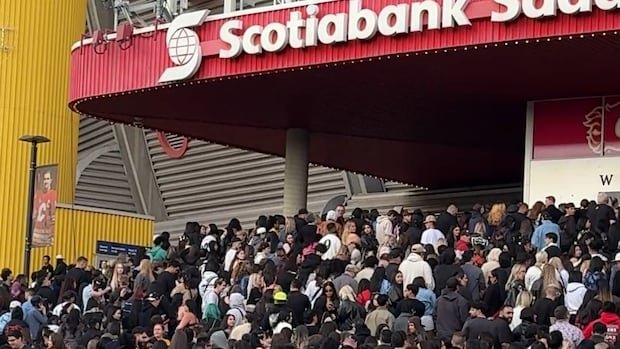

Amandeep Walia had eagerly anticipated watching Ne-Yo and Akon perform in Calgary for months. However, instead of enjoying the show, he and his wife found themselves waiting for hours at the Scotiabank Saddledome to gain entry and for the event to commence.
Walia was taken aback by the extensive delay, estimating that the evening cost them approximately $700, encompassing ticket expenses, a babysitter, and food. Attendees with floor and lower level seats were confined to the concourse as the venue was still being prepared, creating a sense of disorganization and potential safety concerns.
Originally scheduled for 8 p.m., the Jun. 20 concert was postponed to 9 p.m., with the performance eventually starting around 10:45 p.m. Walia expressed frustration over missing out on the full concert experience due to the delayed start time.
Similar incidents of concert delays have been observed in other high-profile shows this summer, such as Jay-Z’s delayed final Yankee Stadium performance and Harry Styles’ delayed show in Mexico City. These occurrences have prompted questions among fans regarding what guarantees a concert ticket offers.
Entertainment lawyer Kurt Dahl highlighted that ticket holders have limited rights, primarily guaranteeing the seat purchased and a performance to some extent. The fine print often includes disclaimers about potential changes in event schedules, leaving consumers with little recourse in cases of significant delays.
Ashish Sharma, from the Consumers Council of Canada, acknowledged the lack of statutory rights for concert delays, suggesting the need for legislation to protect consumer interests in such situations. He emphasized the importance of timely communication from event organizers to keep attendees informed, especially when major delays occur.
As consumers continue to invest in live entertainment, concerns regarding the overall cost and experience of attending events have come to the forefront. Live Nation and Ticketmaster have acknowledged the challenges faced by fans due to delays but emphasized that late start times do not automatically entitle ticket holders to refunds.
In conclusion, while consumers may have limited legal recourse in cases of concert delays, public pressure and advocacy remain powerful tools in holding event organizers and artists accountable for delivering timely and satisfactory experiences to attendees.