
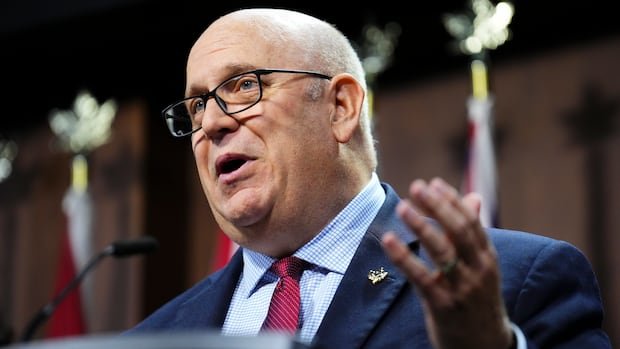

Conservative MP Dean Allison conducted independent hearings on COVID-19 vaccine injuries over a four-day period in Ottawa this week. The Allison Inquiry featured testimony from 50 individuals selected from a pool of over 1,400 applicants who traveled to Parliament Hill from various parts of Canada to share their personal experiences of harm.
The inquiry, as per its mandate, aimed to listen to Canadians without making conclusive findings or determinations. Notably, Health Canada did not participate in the proceedings, and the federal government did not endorse the initiative.
Dean Allison, representing Niagara West in the House of Commons, emphasized that the inquiry was meant to initiate a dialogue that should have commenced earlier. He stressed the importance of compassion, regardless of perspectives on COVID-19, vaccines, or public policies, as the hearings concluded.
Among the witnesses was Drue Taylor, a 36-year-old massage therapist from Alberta, who joined virtually due to health concerns. Taylor shared her struggle with postural orthostatic tachycardia syndrome (POTS), a chronic nervous system condition triggered by standing up, which has severely impacted her daily life.
Taylor disclosed her challenges in dealing with the Vaccine Injury Support Program (VISP), mentioning receiving an initial payment of $45,000 after a prolonged process but facing ongoing frustrations during the appeal stage. Health Canada data revealed that VISP processed 3,557 claims and disbursed over $21 million to claimants between June 2021 and November 2025, with only 252 claims approved by the Medical Review Board.
The federal government took control of VISP administration in 2026 following public complaints, shifting responsibilities from a third-party administrator to the current Vaccine Impact Assistance Program (VIAP). Taylor expressed dissatisfaction with the program’s assistance, noting that the initial payout fell short of covering her earnings as a professional massage therapist and business owner.
In addition to personal narratives, the inquiry featured testimony from U.S. Senator Ron Johnson, who used his appearance to criticize Dr. Anthony Fauci and question the origins of the COVID-19 virus. The inquiry highlighted the ongoing debate surrounding the pandemic’s source within the scientific community.
Dean Allison highlighted that the independent inquiry was the first of its kind in Canada, addressing a gap in formal investigations into COVID-19 vaccine injuries at the federal level. The inquiry’s website cited similar probes launched by over 30 democratic nations, including G7 and Commonwealth countries, examining pandemic responses and vaccination strategies.
Medical experts have urged the government to conduct a comprehensive national inquiry into Canada’s pandemic management, as citizens previously organized the National Citizens Inquiry into Canada’s Response to COVID-19 in 2023 across multiple provinces. Chief Science Advisor Mona Nemer emphasized the importance of reflecting on the pandemic response to enhance future public health preparedness in a recent interview with CBC.
Between December 2020 and December 2023, Canada administered a total of 105 million COVID-19 vaccine doses, leading to 58,712 adverse event reports, with 11,702 categorized as serious. Health Canada data indicated that adverse events accounted for a small percentage of all vaccinations during that period.