
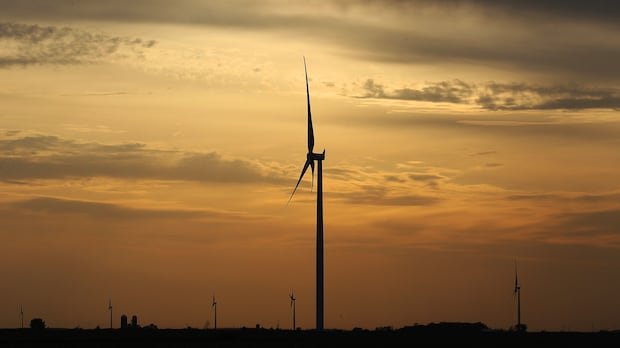

EverWind Fuels, a company specializing in green hydrogen, is required to provide additional information to the province before advancing with a proposed wind farm in Guysborough County. Nova Scotia Environment Minister Tim Halman recently released his decision regarding the Harbour Hills Wind Project, noting that the company had not completed necessary baseline field surveys for the area where 30 wind turbines are planned, spanning approximately 6,000 hectares.
The surveys, which must include assessments of various wildlife and plant species like moose, bats, birds, turtles, plants, and lichen, need to be finalized within a year. EverWind’s spokesperson, Claire Parsons, mentioned that the company is currently reviewing the minister’s decision and remains steadfast in moving the Harbour Hills project forward by collaborating with Nova Scotia Environment and Climate Change to fulfill the requested information for the environmental assessment process.
The Harbour Hills project, consisting of 107 turbines, is part of three major wind farm proposals by EverWind in Guysborough County, alongside four smaller projects in other areas of the province. Ultimately, the company aims to utilize wind energy to power a green hydrogen and ammonia production facility in Point Tupper, Nova Scotia.
In related news, one of EverWind’s potential buyers for ammonia, E.ON Group from Germany, has recently deprioritized hydrogen-related activities, impacting their agreement with EverWind. Despite this setback, EverWind remains optimistic, citing a growing demand for clean fuels and ongoing discussions with other European partners, including Uniper.
Meanwhile, Bear Head Energy, another company planning a green hydrogen and ammonia facility in Point Tupper, has gone quiet on updates. Although the company received environmental approval for its main facility, construction has not commenced yet, leading to an extended deadline until 2027 as per the Environment Department.
Professor emeritus David Layzell from the University of Calgary emphasized the global necessity of green hydrogen for decarbonization efforts, despite the industry’s slower-than-expected development. Layzell believes that while progress may take time, green hydrogen production in Nova Scotia remains feasible and crucial for environmental goals.