
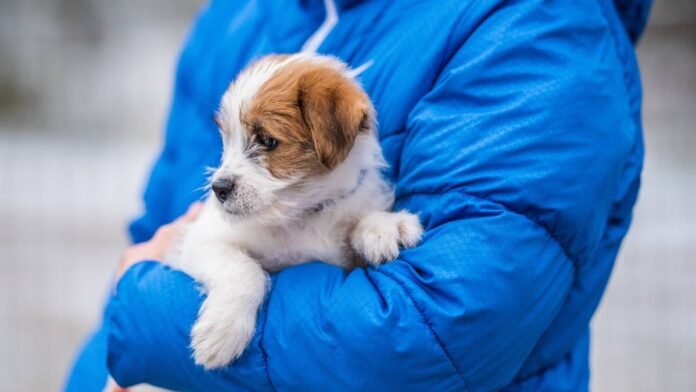

As temperatures drop nationwide and various areas encounter the season’s initial cold spell, many dogs could be more affected by the chill than their owners realize. The UK is under ice warnings today as snow persists in some regions. While some turn to social media for advice on how the cold will impact their pets, seeking expert guidance is crucial.
Leah Callaghan, a Vet Nurse at Butternut Box, is highlighting the dog breeds most vulnerable to cold weather and providing practical tips to help pet owners ensure their dogs remain warm, cozy, and healthy during winter.
Dogs with slender builds, low body fat, and lacking a dense undercoat feel the cold rapidly, often shivering on icy mornings. Each dog’s response to cold varies; while a husky may thrive in frosty weather, a whippet or terrier could start trembling after a short outing. It’s essential to observe your dog’s behavior to gauge their comfort level.
Smaller dogs, due to their high surface-area-to-volume ratio, lose heat faster than larger breeds. As temperatures drop, certain dogs, especially smaller breeds, older dogs, or those with short coats, feel the cold more intensely. These dogs depend on their owners to recognize when it’s too chilly and make adjustments to keep them warm and content.
Providing a well-fitted jacket helps smaller dogs retain body heat during brief walks. Puppies, like small breeds, struggle to regulate their body temperature and tire quickly in cold conditions. Short, frequent walks can prevent them from getting too cold.
Elderly dogs and those with arthritis are particularly sensitive to cold weather, as it reduces blood flow and increases muscle stiffness. For these dogs, wearing a quality coat can help alleviate pain, minimize stiffness, and enhance mobility during the season.
Even breeds with thick fur can lose their insulation when their coat gets wet. In such cases, a waterproof coat is beneficial for rainy walks. If your dog shows less interest in outdoor activities during winter, they might be using extra energy to stay warm.
Nutrition also plays a vital role in helping dogs cope with the cold. Providing meals with fresh, high-quality ingredients gives them the energy and nutrients needed to stay warm and active during winter walks.
Some dogs exhibit signs of feeling cold earlier than expected, regardless of their breed. Signs may include shivering, seeking warmth, or displaying reluctance to go outside. Monitoring your dog’s behavior can help determine their comfort level in the cold.
Leah advises pet owners to pay attention to subtle changes in their dog’s behavior during colder weather. If a dog appears tense or eager to return home during a walk, it’s best to shorten the outing and ensure they stay warm. By keeping dogs comfortable and maintaining their routine, they can enjoy winter just as much as summer.