
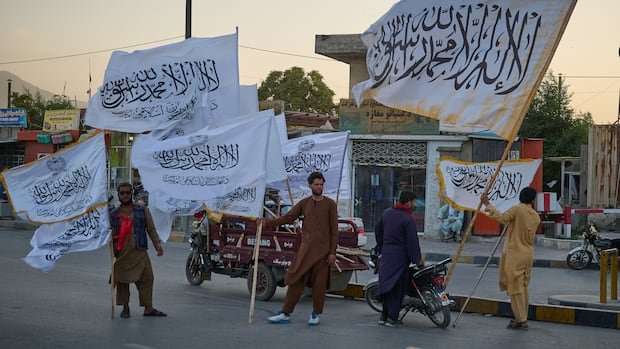

Abdul Razaq Khan, a former translator and guide for Canadian media during the Afghan conflict, received a late-night message five years ago from a journalist he had assisted in Kandahar. At that time, Khan had relocated to Kabul after the Canadian forces left Afghanistan, taking up a position at the American aid agency USAID. In the summer of 2021, as the Taliban made advances towards Kabul, he was contacted with concerns about his safety. Reflecting on the events that led to the swift collapse of the western-supported government, Khan, now settled in Canada, still struggles to comprehend the loss of his job, home, and country. Despite his resettlement, he laments the circumstances that forced him to leave Afghanistan.
Having fled on foot and narrowly escaping Taliban gunfire at the Pakistani border, Khan considers himself fortunate. His association with Canadian media outlets, including The Canadian Press, CTV News, and Postmedia, made him a target, a common plight for Afghans who worked for foreign journalists, military, diplomatic missions, and aid groups. The Taliban’s victory not only uprooted hundreds of thousands of Afghans but also ushered in a repressive regime, marked by the marginalization of women, censorship of media and dissent, and the imposition of strict moral codes through a dedicated ministry.
The plight of Afghan women has been particularly dire, with reports from The Zan Times highlighting a surge in violence against women and a lack of accountability. The organization’s founder, Zahra Nader, revealed that the Taliban’s leniency towards perpetrators of crimes against women has fostered a culture of impunity. Instances of violence, often disguised as suicides, underscore the challenges faced by Afghan women under the Taliban’s rule.
In response to the crisis, several countries initiated humanitarian visa programs to evacuate high-risk individuals, including female judges, activists, journalists, and politicians from Afghanistan. However, a recent report by Local Staff International and AfghanEvac criticized the inconsistent and chaotic nature of the evacuation and resettlement efforts across allied nations. While Canada welcomed over 60,000 vulnerable Afghans post-Taliban takeover, there are still many at risk under the Taliban’s oppressive regime.
Former Canadian combat commander, retired major-general Denis Thompson, emphasized the need to extend support to those left behind in Afghanistan. Despite successful resettlement efforts, there remains a significant population vulnerable to the Taliban’s harsh rule. U.S. Senator Chris Coons highlighted the importance of honoring promises made to those who supported American and NATO forces, calling for continued efforts to fulfill commitments made during this critical chapter in history.