
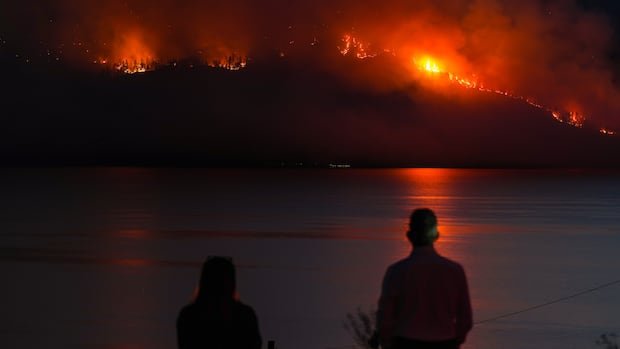

A significant Pacific Ocean warming phenomenon known as El Niño, also referred to as a “super” or “Godzilla” El Niño, has made a return, impacting global weather patterns during a period of heightened temperatures worldwide. July marked the hottest month on record for North America and Europe, leading to numerous heat-related fatalities, dried-up waterways, and extensive wildfires. Canada alone has witnessed over 4.1 million hectares of forests engulfed in flames, emitting thick smoke over vast regions.
While the current scorching conditions coincided with the onset of El Niño, climate experts clarify that El Niño is not directly responsible for these extreme weather occurrences. However, they caution that this natural phenomenon could exacerbate the already intensified extreme weather events influenced by human-induced climate change.
According to climate scientist Josh Willis from NASA’s Jet Propulsion Laboratory, El Niño’s effects are anticipated to be far-reaching and impactful across a wide geographical area. He emphasized the need to brace for significant changes ahead.
El Niños typically occur every few years, starting in spring and lasting into the following year, characterized by a rise in sea surface temperatures in the Pacific equatorial region. This warming alters the atmospheric conditions, leading to a reversal in weather patterns, causing wet areas to become dry and vice versa.
Although the current El Niño began forming in May and June, coinciding with heatwaves and wildfires in the northern hemisphere, its full impact on regions like Canada is expected to peak in late autumn and winter. Scientists like Muhammad Azhar Ehsan from Columbia University’s Center for Climate Systems Research suggest that this unprecedented El Niño may contribute to the ongoing extreme weather events, warranting further research.
Projections indicate that this El Niño could rival the strength of previous significant events like those in 2015-16 and 1997-98. The warming event is likely to persist well into the next year, with potential consequences for weather patterns worldwide.
As El Niño continues to unfold, countries such as Peru, Ecuador, and Indonesia are already experiencing adverse effects such as heavy rains, flooding, and prolonged wildfire seasons. In North America, changes in the hurricane season dynamics are noted, with fewer tropical storms in the Atlantic but increased storm activity in the Eastern Pacific.
The combined impact of El Niño and ongoing climate change poses challenges for global weather patterns, extending well into 2027. Climate experts emphasize the need for continued monitoring and adaptation to the evolving conditions driven by these environmental factors.