

The federal government is progressing with modifications that will exclude several energy projects from a layer of its environmental evaluation procedure. Simultaneously, a senior government insider reveals that the Liberals are gearing up to retract proposed adjustments that would have skirted regulations aimed at safeguarding endangered species.
In May, the government introduced a series of regulatory alterations as part of an initiative to streamline project approvals. Among these proposals was one to waive certain projects from the “jeopardy test” mandated under the Species at Risk Act if they are deemed to be in the national interest.
Over 600 species fall under the legislation’s purview. In August, five former chairs of a panel advising the federal government on imperiled wildlife penned an open letter expressing concerns that the proposed changes could result in the intentional extinction of endangered species.
A confidential senior federal government source informed CBC News that forthcoming legislation will uphold the authority of the act, including jeopardy tests. The source requested anonymity as they were not authorized to speak publicly. The Toronto Star initially broke this story.
Projects now excluded from some regulatory oversight
On Wednesday, the government publicly declared its intention to remove specific energy projects from the jurisdiction of its environmental review agency, citing the need to “simplify the review process for certain projects.”
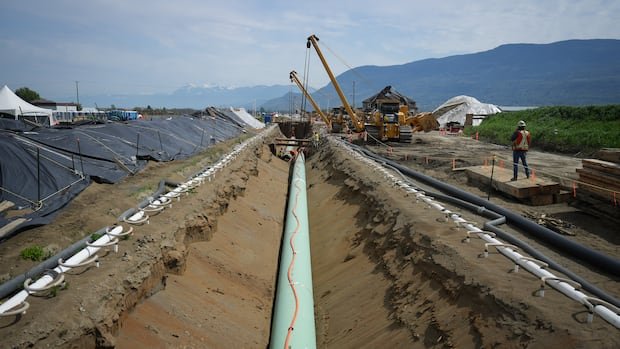
According to the new regulations published in the Canada Gazette on Wednesday, projects such as pipelines and transmission lines traversing international or provincial borders, along with offshore renewable energy projects, will no longer undergo environmental evaluation by the Impact Assessment Agency of Canada (IAAC). Instead, these projects will be exclusively assessed by the Canada Energy Regulator (CER).
A government press release stated, “The CER possesses expertise in conducting impact assessments that evaluate a project’s impact on various environmental aspects, including air quality, water resources, soil conditions, climate change, wildlife, endangered species, and Canada’s environmental commitments.”
Certain oilsands extraction ventures and fossil fuel-fired power generation projects are also being removed from the roster of projects subject to IAAC review, as per the news release.
“These projects and facilities will still be subject to thorough provincial and federal assessment processes,” the release emphasized.
Heather Exner-Pirot, the director of energy, natural resources, and environment at the Macdonald-Laurier Institute, lauded the changes, stating they would tangibly attract investments to the country by reducing expenses.
“A ‘wrecking ball’ to regulations: environmental group
These adjustments follow Prime Minister Mark Carney’s pledge to streamline regulatory approvals for major projects during the recent election. Shortly after the 2025 election, the Liberals, with Conservative support, passed Bill C-5, enabling the government to expedite major projects it deems to be in the national interest. However, these changes will affect the reviews of other major projects not receiving such designation.
The government concluded consultations on the proposed reforms in July. The report on these consultations was released on Wednesday, coinciding with the announcement of the regulatory changes the same day.
Julia Levin from the Environmental Defence advocacy group remarked, “There was no advance notice of this decision.” She added, “Once again, Prime Minister Carney has undermined Canada’s environmental safeguards and climate advancements.”
Nonetheless, Exner-Pirot contended that there will still be an environmental assessment, albeit conducted by a single regulator instead of two. She highlighted that the regulatory alteration coincides with Carney’s upcoming “investors summit” next week.
“This move by the Carney administration demonstrates to those attending the Toronto summit next week that they are not just making promises but are taking tangible actions that will facilitate investment in Canada,” she remarked.