
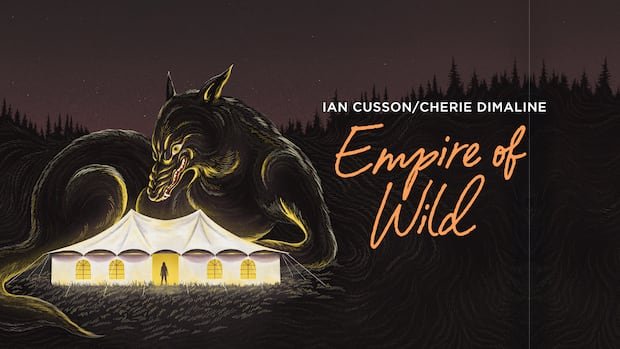

In Cherie Dimaline’s novel “Empire of Wild,” a trio of women from different generations strive to rescue their loved one from the clutches of the werewolf-like Rogarou. Their mission is twofold: to bring back a missing husband and shield their territory from corporate interests. The narrative, characterized by its raw, alluring, and intense nature, received the prestigious title of Indigo’s top book in 2019, surpassing renowned works such as Margaret Atwood’s “The Testaments” and Taylor Jenkins Reid’s “Daisy Jones & The Six.”
An investment of approximately $4 million has been earmarked to support an Indigenous-led creative team in adapting the book into an opera. The world premiere is scheduled to take place in Toronto next spring. This bold move aims to attract a younger demographic and newcomers to the opera scene, potentially challenging traditionalists who favor the conventional repertoire.
“Empire of Wild” unfolds in the Georgian Bay Métis community of Penetanguishene, Ontario, the author’s hometown. Composer Ian Cusson, also a native of the area, recognized elements of the Rogarou from his mother’s folklore when reading Dimaline’s book. He emphasized the importance of presenting contemporary characters that resonate with modern audiences, including queer individuals and a working-class family navigating extraordinary circumstances.
The production, described as a “film on steroids,” delves into the darker and more eerie aspects of the story, incorporating elements of horror. The opera features strong themes of power, resistance, and resilience, with a focus on intergenerational support along matrilineal lines. The narrative draws inspiration from Métis folklore, with a diverse cast embodying key characters.
The opera’s Indigenous-led creative team, including talents like Cree costume designer Jeff Chief and Algonquin director Yvette Nolan, promotes a collaborative approach to art creation. The goal is to foster a culture of inclusivity where every contributor is valued. Cusson envisions this inclusive model as a blueprint for future opera productions, emphasizing its significance in the artistic landscape.