

A group of individuals who participated in a lengthy international student demonstration in northeast Calgary has been identified as potentially ineligible to remain in Canada, and they may face deportation, as per an immigration attorney.
The Canada Border Services Agency (CBSA) confirmed that officers were dispatched to the protest location on Wednesday to verify the immigration statuses of attendees. Out of 20 individuals checked, 12 were flagged as potentially inadmissible under the Immigration and Refugee Protection Act.
A CBSA spokesperson stated that the individuals were requested to appear at the CBSA office later that day for a follow-up interview, but due to privacy laws, no further details on the cases were disclosed. The agency emphasized that individuals subject to immigration enforcement, even those ordered to leave Canada, are entitled to due legal processes.
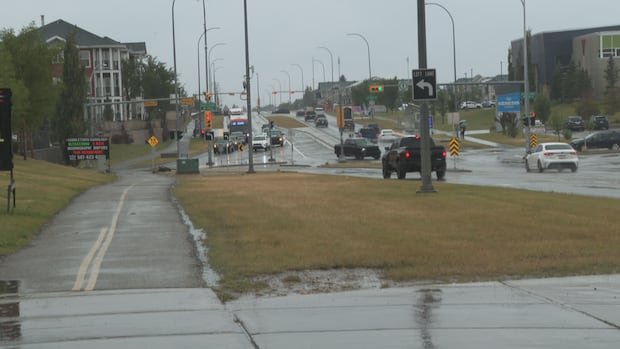
The demonstration, which had been ongoing for weeks near the Genesis Centre at Saddletowne Circle, involved international graduates and their supporters protesting work permit issues. Similar protests are also occurring in Edmonton, with some students resorting to hunger strikes to highlight their concerns.
Numerous graduates from Portage College expressed disappointment after their post-graduation work permit applications were denied, despite believing they were eligible. Portage College is seeking clarification from Immigration, Refugees and Citizenship Canada (IRCC) regarding the matter.
The Calgary Police Service sought assistance from CBSA during the protest due to various complaints, including noise disturbances and obstruction of businesses. Following interactions with individuals setting up structures without permits, officers contacted CBSA for identity verification, leading to status checks on four individuals initially.
Jatin Shory, an immigration lawyer representing around twelve students challenging work permit denials, advised against public protests. He emphasized the uniqueness of the situation, where a large group of undocumented individuals were drawing attention to their status, likening it to “sheep waiting for the fox.”
While CBSA did not disclose the outcomes of the interviews, Shory mentioned that receiving an exclusion order is a common step for individuals without status in Canada after such interviews. An exclusion order mandates immediate departure from Canada and a one-year ban on re-entry, with limited legal avenues for appeal.
In summary, the individuals involved in the protest may face deportation due to potential immigration violations, with legal challenges to exclusion orders being difficult to succeed.