
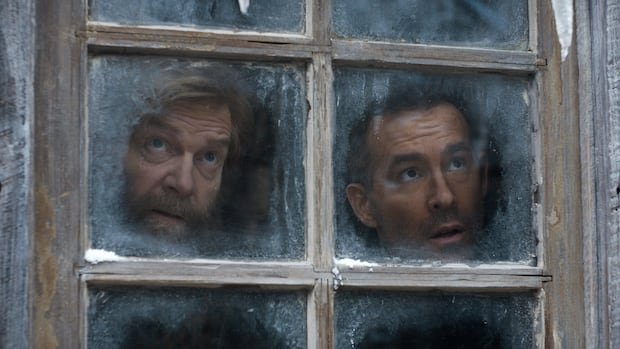

In a curious reflection of societal norms, the storyline of Mayday highlights the gradual realization that individuals from different backgrounds also possess intrinsic humanity. Set in the 1980s, the film follows the journey of ex-KGB agent Nikolai (portrayed by Kenneth Branagh) who unexpectedly finds himself rescuing U.S. navy pilot Troy (played by Ryan Reynolds) after a crash in Soviet territory.
Initially, the notion of Nikolai’s altruistic motives is met with skepticism, especially given his supposed affection for America and his personal struggles, including protecting his estranged daughter. The narrative challenges the audience to question whether Nikolai’s actions stem from genuine goodwill or if there are ulterior motives at play.
As the plot unfolds, the film subtly underscores the commonality of human emotions and complexities across cultures, particularly through the dynamic between Nikolai and Troy. The action-packed comedy strikes a balance between humor and intensity, showcasing the talents of both Branagh and Reynolds in their respective roles.
The directing duo of Jonathan Goldstein and John Francis Daley masterfully capture the essence of the narrative through seamless camerawork, juxtaposing moments of chaos with serene long shots. The deliberate pacing and visual storytelling enhance the viewing experience, reminiscent of classic action films from the Reagan era.
Despite its entertainment value, Mayday prompts viewers to reexamine preconceived notions about patriotism and societal divides. By confronting the nuances of Cold War dynamics and humanizing both American and Russian characters, the film challenges the audience to reassess traditional narratives of heroism and villainy.
In a landscape dominated by propagandistic portrayals, Mayday stands out for its nuanced exploration of patriotism and morality. Through the evolving perspectives of Nikolai and Troy, the film encourages reflection on the complexities of global politics and human nature, ultimately questioning the dichotomies of good versus evil prevalent in Cold War narratives.