
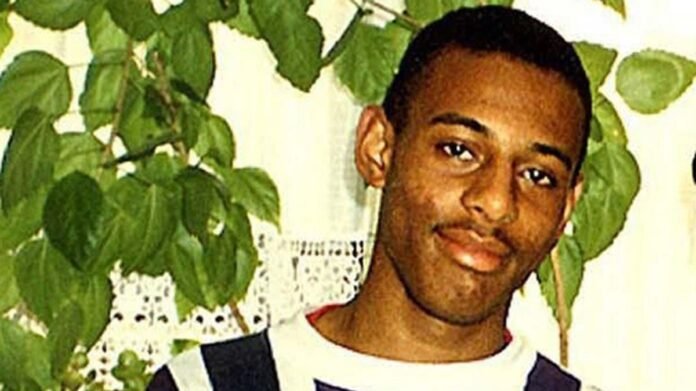

David Norris, who was convicted for the murder of Stephen Lawrence, expressed genuine remorse for his role in the fatal attack on the young boy three decades ago during a parole hearing held today.
Appearing on the second day of the open parole hearing, leading psychiatrists and prison experts in the UK are deliberating Norris’s fate. He is one of the two individuals sentenced to life imprisonment for the racially motivated assault in Eltham, south London, back in 1993.
In his statement during the hearing, Norris, filmed from behind, conveyed deep sorrow and guilt for the murder, acknowledging the heavy burden of guilt he carries. He emphasized that this remorse will stay with him for the rest of his life.
Norris also expressed a sincere apology to the Black community, reflecting on his past as a violent racist teenager who had strayed far from the right path. However, the panel was informed by Her Honour Judge Mensah that Norris had used derogatory language recently. Despite this, it was noted that Norris had undergone programs to address his racist tendencies, which have reportedly shown positive results.
Present at the inquiry after 27 years, a transformed Norris appeared before the panel, no longer resembling the aggressive individual seen at the Stephen Lawrence inquiry in the past. He sought to assure the panel that he had evolved from the racist figure of his youth, now a 49-year-old with a different outlook on life.
As he gave his testimony, Norris, now a family-oriented individual, expressed regret for his past actions, attributing them to his turbulent upbringing and a search for love. He denied being a violent person and insisted that he has changed for the better.
Despite facing challenges and threats from other inmates, Norris hoped for release and expressed a desire for safety measures if granted parole. However, recent accusations of misconduct and involvement in extremist groups have raised concerns about his potential release.
In addition, reports have surfaced regarding Norris’s alleged use of offensive language and involvement in drug-related incidents within the prison. His association with far-right organizations and suspected radicalization activities have added complexity to his parole prospects.