
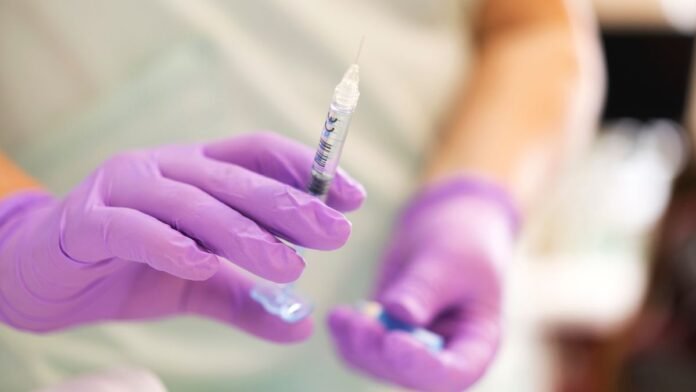

A novel fat-burning injection has emerged, potentially aiding individuals in losing weight while consuming the same amount of food. Animal trials indicate that the newly developed drug, RES-010, could enhance the body’s food processing mechanism, preventing excess storage as fat. Mice treated with the weekly injection exhibited weight loss despite maintaining their usual food intake, contrasting with untreated mice.
Early research presented at the European Association for the Study of Diabetes meeting in Vienna revealed that the injection, RES-010, targets an RNA molecule named miR-22, described as a pivotal regulator in various obesity-related processes. These processes involve fat breakdown, mitochondrial production, and fat functionality changes. Initial human safety evaluations of the injection have commenced.
Dr. Riccardo Panella, CEO of Resalis Therapeutics in Turin, explained that RES-010 functions by altering how cells manage fat and energy, focusing on enhancing mitochondria activity and converting white fat to brown fat, which aids in burning energy. The drug aims to induce lasting weight loss and enhance metabolic health by reshaping metabolism and liver function.
Although the drug holds promise, some experts advocate for more evidence to substantiate the bold claims. Limited information was shared at the conference, prompting the need for comprehensive details to validate the metabolic effects of RES-10 for weight loss outcomes.
Appetite-suppressing injections like Mounjaro and Wegovy have been lauded for their potential impact on combating obesity, particularly within the NHS, despite global shortages. The NHS prioritizes offering these treatments to severely obese individuals through specialized weight loss services due to limited availability. Private prescriptions remain a prevalent option for around 1.5 million Britons seeking weight loss injections.
Research indicates that users of GLP-1 injections may experience muscle loss alongside fat reduction. Without substantial dietary and lifestyle adjustments, individuals tend to regain fat but not muscle mass upon discontinuing these injections. Specialized diet and lifestyle support are recommended alongside these treatments, as the NHS faces constraints in providing extensive assistance in these areas.